
A Critical Crossing: Oil Tankers, Hormuz Tensions, and the Currency Question
The Strait of Hormuz—one of the world’s most vital oil transit routes—is back in the spotlight. Stretching between the Persian Gulf and the Arabian Sea, this narrow passage is responsible for moving a significant share of global energy supplies. Any disruption here sends ripples across international markets.
3/17/20261 min read
A Break in the Standstill
In recent weeks, heightened security concerns led many oil tankers to delay or reroute their journeys. The threat of conflict made passage through the Strait of Hormuz increasingly uncertain.
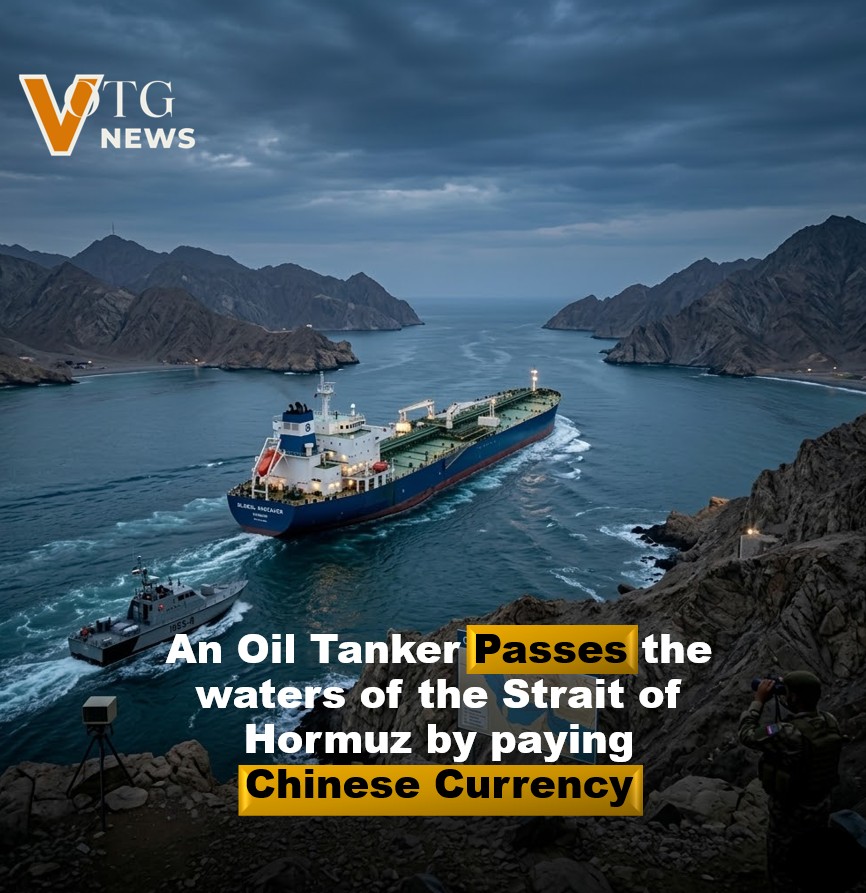
Against this backdrop, the successful transit of a Pakistan-bound tanker stands out. It suggests that, despite the risks, carefully managed crossings are still possible. This also points to quiet diplomatic or strategic arrangements that may be influencing which vessels are granted safe passage.
A Shift in Trade Currency?
Alongside the movement of tankers, another idea has emerged: conducting oil trade using the Chinese yuan instead of the US dollar.
Although not yet an official policy, the possibility has sparked global discussion. Moving away from the dollar could allow countries to:
Reduce exposure to US financial systems
Strengthen trade partnerships with China
Navigate sanctions or economic pressure more flexibly
If such a shift were to take hold, it could reshape long-standing norms in global energy trade.
Controlled Access to a Global Lifeline
Reports indicate that access to the strait may not be uniform for all vessels. Ships connected to neutral parties or aligned economic interests could be prioritized for safe passage.
This selective approach allows for a delicate balance—maintaining some flow of oil while preserving strategic leverage during uncertain times.
Why It Matters
The implications extend far beyond the region:
Global oil prices remain sensitive to developments in Hormuz
Supply chains face continued uncertainty
Energy-dependent nations are closely monitoring every movement
For countries like Pakistan, uninterrupted oil supply is essential for economic stability and managing energy demands.
Looking Ahead
The successful passage of even a single tanker offers cautious optimism, but it does not signal a full return to normalcy. The situation remains fluid, with evolving rules and underlying tensions.
At the same time, conversations about alternative currencies hint at broader changes that could influence global trade patterns for years to come.
Disclaimer: This update is shared based on publicly available information. VOTG News is not responsible for any decisions made based on this news. The image is AI-generated only for illustration