
A Fragile Pause: How Pakistan Helped the US–Iran Ce@sefire
In a dramatic turn of events, the United States and Iran have stepped back from the brink of conflict, agreeing to a temporary two-week ceasefire that has captured global attention. The agreement, reached in early April 2026, comes at a critical moment when tensions were nearing a tipping point and the threat of military escalation loomed large.
4/8/20262 min read
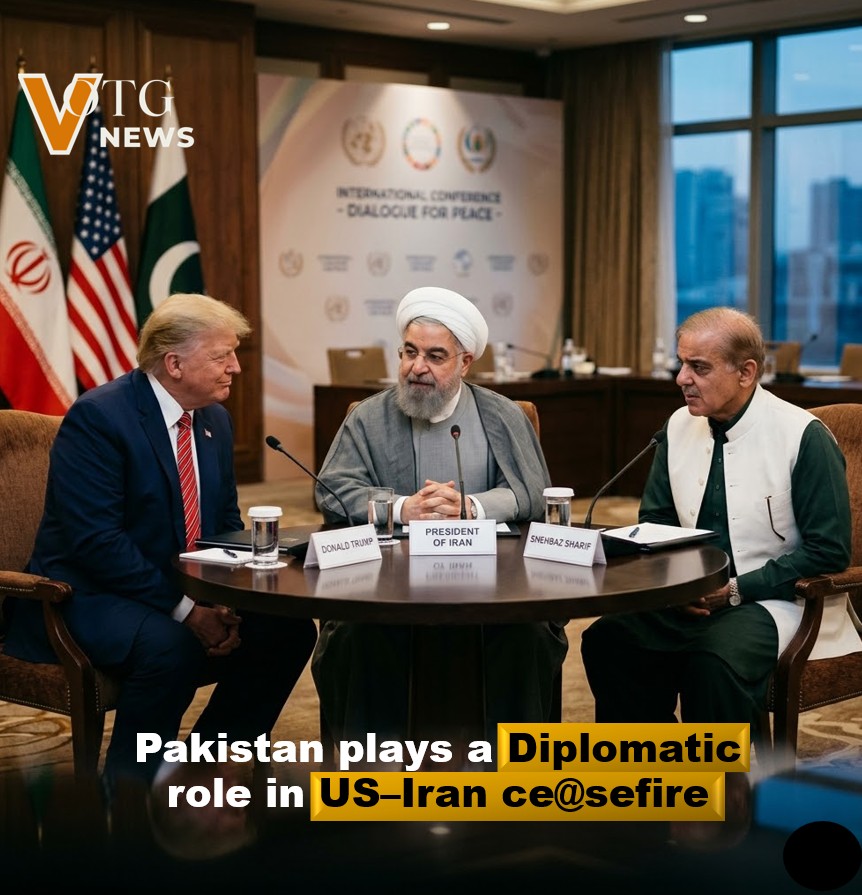
A Last-Minute Diplomatic Breakthrough
The ceasefire was not the result of prolonged formal negotiations, but rather a rapid, high-stakes diplomatic effort. With military action appearing imminent, urgent backchannel communications intensified. The agreement ultimately paused potential strikes and created a narrow window for dialogue.
A key condition of the ceasefire involves the reopening of vital maritime routes, particularly those critical to global energy supplies. This move is seen as a confidence-building step aimed at reducing immediate economic and geopolitical pressures.
Pakistan’s Role as a Mediator
Pakistan emerged as a crucial intermediary during this crisis. Acting as a neutral channel, it facilitated communication between Washington and Tehran at a time when direct dialogue was strained.
Through active diplomatic engagement, Pakistan’s leadership encouraged restraint on both sides—urging a delay in military action while also advocating for de-escalatory measures. By maintaining trust with both parties, Pakistan helped create the conditions necessary for a temporary agreement.
This role highlights Pakistan’s growing importance as a diplomatic bridge in complex international conflicts, particularly in regions where tensions can escalate rapidly.
International Support and Quiet Contributors
While Pakistan played a central role, it was not alone. Other countries contributed behind the scenes, helping maintain communication lines and support de-escalation efforts. Global leaders, especially in Europe, have welcomed the ceasefire as a positive step and are urging all sides to pursue a longer-term resolution.
A Temporary Calm, Not a Lasting Peace
Despite the optimism surrounding the agreement, the ceasefire remains fragile. Its limited duration underscores the uncertainty of the situation, and many underlying issues remain unresolved.
The coming days will be critical. Diplomatic efforts are expected to continue, with the hope of transforming this short pause into a more durable framework for peace. However, the risk of renewed tensions cannot be ignored.
The Bigger Picture
This ceasefire represents more than just a pause in hostilities—it is a reminder of the power of diplomacy, even in the most volatile situations. It also signals a shift in regional dynamics, with countries like Pakistan stepping into more prominent roles on the global stage.
For now, the world watches closely, hoping that this fragile calm can evolve into something more lasting.
Disclaimer: This update is shared based on publicly available information. VOTG News is not responsible for any decisions made based on this news. The image is AI-generated only for illustration