
Australia and Japan Refuse W@rship Deployment to the Strait of Hormuz
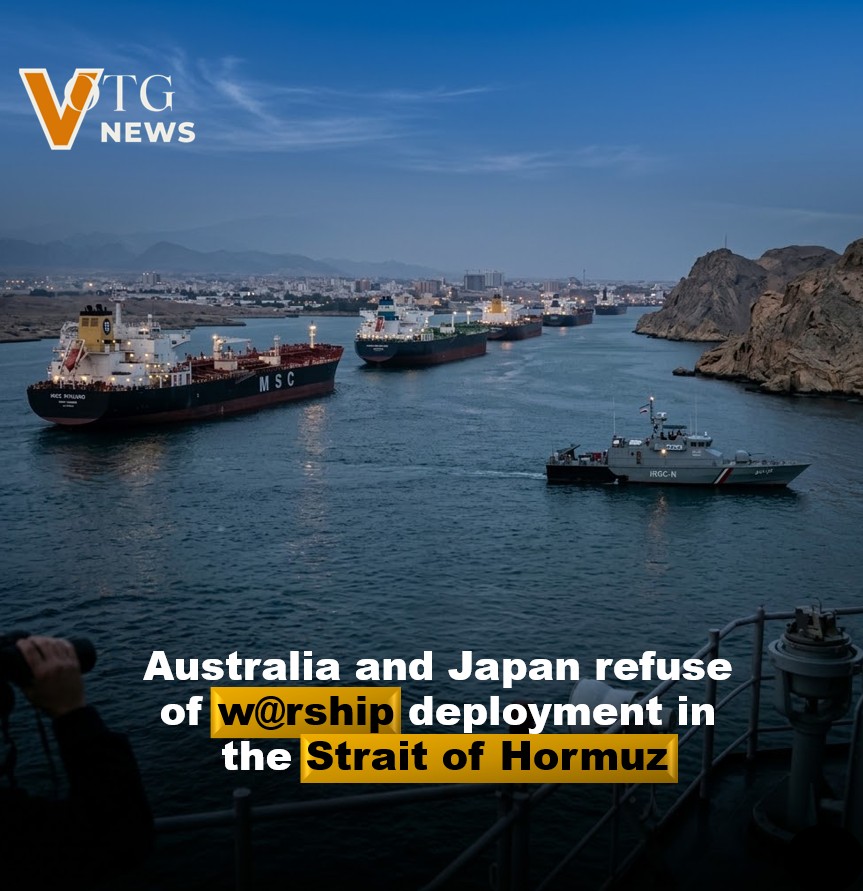
Rising tensions in the Middle East have once again highlighted the strategic importance of the Strait of Hormuz, a critical maritime corridor through which a large portion of the world’s oil supply passes. Following requests from the United States for allies to help secure the shipping lanes, two key partners — Australia and Japan — have announced they will not send warships to the region at this time.
3/16/20261 min read
Australia’s Decision
Australia has declined to deploy naval vessels despite the U.S. request. Canberra has emphasized its commitment to regional security but prefers to support through aircraft, personnel, and logistical assistance in allied bases nearby rather than risking direct military escalation.
Japan’s Stance
Japan, similarly, has no current plans to dispatch naval forces. Legal and constitutional constraints, which limit overseas military action, play a major role in Tokyo’s cautious approach. Japanese leaders continue to monitor developments while prioritizing diplomatic and strategic measures to maintain regional stability.
Why the Strait Matters
The Strait of Hormuz connects the Persian Gulf to the Gulf of Oman and the broader Arabian Sea, making it a critical chokepoint for global oil and trade. Any disruption could ripple through energy markets worldwide.
A Global Call for Caution
The decisions by Australia and Japan reflect broader international caution. Many nations are wary of escalating conflict and are prioritizing diplomatic solutions, intelligence cooperation, and support roles over direct military involvement. As tensions evolve, the world watches closely how countries navigate this delicate balance between security and conflict prevention.
Disclaimer: This update is shared based on publicly available information. VOTG News is not responsible for any decisions made based on this news. The image is AI-generated only for illustration