
Bangladesh Declines to Travel to India for T20 World Cup Matches: What’s Really Going On?
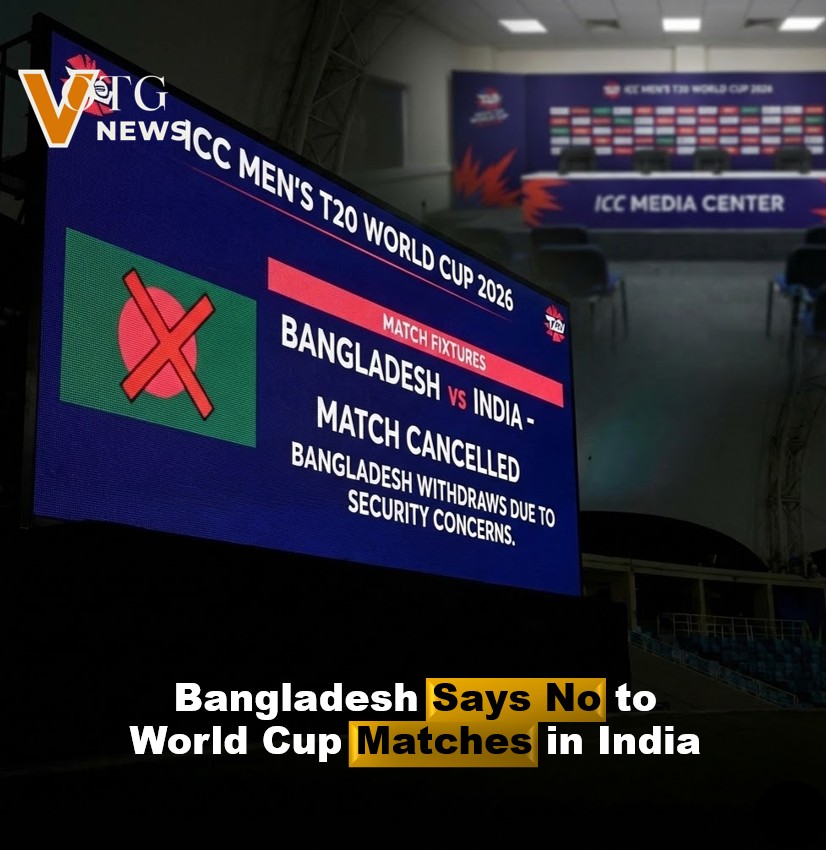
The 2026 ICC Men’s T20 World Cup has been hit by controversy even before the first ball is bowled. Bangladesh has formally indicated that it will not travel to India to play its scheduled World Cup matches, citing security concerns and national dignity, triggering fresh debate within international cricket.
1/8/20262 min read
A Major Decision Ahead of a Global Tournament
The tournament is set to be co-hosted by India and Sri Lanka, with several Bangladesh matches originally scheduled to take place in Indian cities such as Kolkata and Mumbai. However, the Bangladesh Cricket Board (BCB), backed by the country’s interim government, has asked the International Cricket Council (ICC) to relocate their fixtures to a neutral venue, preferably Sri Lanka.
Bangladesh officials have made it clear that this is not a withdrawal from the World Cup itself, but rather a refusal to play matches on Indian soil under current circumstances.
Security and Political Tensions at the Core
At the heart of the issue are growing political tensions between Bangladesh and India, which have spilled over into the sporting arena. Bangladeshi authorities have expressed concern over the safety of players and support staff, arguing that the current environment does not guarantee adequate protection.
The situation escalated after controversy involving Bangladeshi cricketer Mustafizur Rahman, whose IPL contract situation reportedly sparked public anger back home. This incident, combined with broader diplomatic strains, has intensified calls within Bangladesh to take a firm stand.
“No World Cup at the Cost of National Dignity”
Senior figures within Bangladesh’s interim government have adopted a strong tone, stating that participation in the World Cup should not come at the cost of national respect or player security. The message has been consistent: Bangladesh wants to compete, but not under conditions it believes are unsafe or humiliating.
In a symbolic move, Bangladeshi broadcasters have also suspended Indian Premier League (IPL) broadcasts, reflecting the seriousness of the standoff.
ICC Caught in the Middle
The ICC now faces a delicate balancing act. While it has acknowledged Bangladesh’s concerns and confirmed ongoing discussions, it has not yet announced any official changes to match venues. Relocating fixtures would set a significant precedent and could affect scheduling, logistics, and commercial arrangements.
That said, similar compromises have been made in past tournaments, and many observers believe a neutral-venue solution remains the most practical outcome.
What Happens Next?
For now, the situation remains unresolved. If an agreement is reached, Bangladesh is expected to participate fully in the tournament — just not in India. If talks break down, the ICC could be forced into a much larger crisis involving tournament integrity and international relations.
One thing is certain: this episode highlights how modern cricket is increasingly shaped by politics, security, and diplomacy, not just performances on the field.
As the World Cup approaches, fans around the world will be watching closely to see whether cricket’s global governing body can find a solution that keeps the game — and its spirit — intact.
Disclaimer: This update is shared based on publicly available information. VOTG News is not responsible for any decisions made based on this news. The image is AI-generated only for illustration