
Child Marriage in Pakistan: Legal Age, Punishments, and What You Should Know
Child marriage remains a serious legal and social issue in Pakistan. Over the years, the government has introduced laws to discourage the practice and protect minors from early and forced marriages. Understanding the legal framework is important for parents, community leaders, and young people alike.
2/22/20261 min read
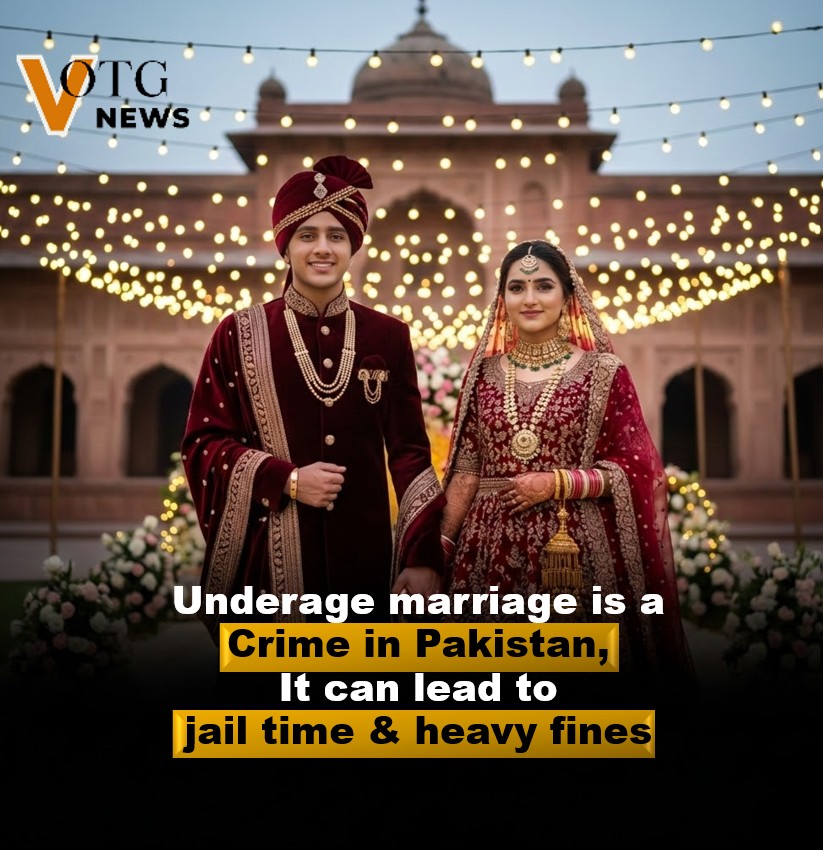
What Is the Legal Age of Marriage in Pakistan?
In Pakistan, the minimum legal age of marriage is:
18 years for boys
16 years for girls (under federal law)
This is defined under the Child Marriage Restraint Act, which applies at the federal level.
However, it’s important to note that laws can vary by province. For example:
In Sindh, the legal age of marriage is 18 years for both boys and girls under the Sindh Child Marriage Restraint Act.
This means child marriage laws are stricter in Sindh compared to some other provinces.
What Are the Punishments?
Under Pakistani law, anyone who:
Contracts a child marriage
Conducts or performs the marriage
Promotes or permits the marriage
can face legal consequences, including:
Imprisonment (which may extend up to several years depending on the province)
Monetary fines
In provinces where stricter amendments have been proposed or implemented, penalties may include up to 2 years in jail and fines reaching several lakh rupees.
Why These Laws Matter
Child marriage can have long-term consequences, including:
Interrupted education
Health risks for young mothers
Economic dependency
Increased vulnerability to domestic abuse
By enforcing minimum age laws, Pakistan aims to safeguard children’s rights, improve access to education, and promote healthier family structures.
Moving Forward
Ending child marriage requires more than just laws. It requires:
Public awareness
Community engagement
Strong enforcement of existing legislation
Support systems for vulnerable families
Protecting children is a shared responsibility. Knowing the law is the first step toward meaningful change.
Disclaimer: This update is shared based on publicly available information. VOTG News is not responsible for any decisions made based on this news. The image is AI-generated only for illustration