
Eid Without Access — What Happened at Al-Aqsa Mosque in 2026?
In March 2026, a deeply significant and emotional moment unfolded in Al-Aqsa Mosque, one of Islam’s holiest places. For the first time in nearly six decades, large numbers of Palestinian Muslims were unable to perform Eid prayers at the mosque due to sweeping restrictions imposed by Israeli authorities.
3/20/20261 min read
A Historic Disruption
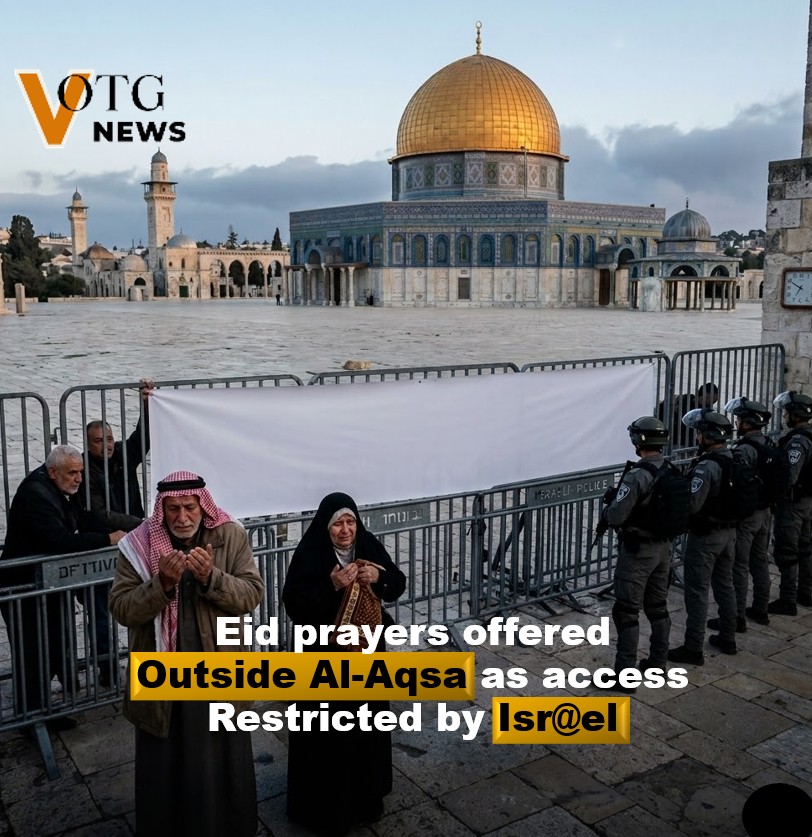
Eid is a time of unity, celebration, and communal prayer. At Al-Aqsa, it traditionally draws tens of thousands of worshippers. However, this year was different. Israeli security forces restricted access to the mosque compound, leaving many unable to enter. Instead, worshippers gathered outside the gates of Jerusalem’s Old City, offering prayers in streets and open spaces.
Reports from the ground described a tense atmosphere. In some instances, security forces used crowd-control measures, including tear gas and physical force, to disperse those attempting to reach the mosque.
Why Were Restrictions Imposed?
Israeli officials stated that the measures were necessary due to heightened security concerns tied to ongoing regional tensions. The broader geopolitical climate—particularly conflicts involving neighboring countries—has led to tighter control over sensitive areas, including religious sites in Jerusalem.
“First Time in 59 Years”
What makes this moment especially notable is its historical weight. Since 1967, when Israel took control of East Jerusalem following the Six-Day War, Eid prayers at Al-Aqsa have continued, even during periods of unrest. The 2026 restrictions mark the first time in 59 years that access was so severely limited during Eid.
Global Reaction
The decision sparked widespread criticism across the Muslim world. Organizations such as the Organisation of Islamic Cooperation and the Arab League condemned the move, calling it a violation of religious freedom and warning of further escalation.
For many, the images of worshippers praying outside the closed gates became a powerful symbol—one that resonated far beyond Jerusalem.
A Moment That Reflects a Larger Conflict
The situation at Al-Aqsa is not just about one day or one event. It reflects the broader and ongoing tensions in the region, where politics, religion, and identity are deeply intertwined. Actions taken at such a sensitive site often have ripple effects, influencing emotions and responses across the globe.
Disclaimer: This update is shared based on publicly available information. VOTG News is not responsible for any decisions made based on this news. The image is AI-generated only for illustration