
Gwadar Port and the New Pakistan–Iran Transit Routes: What Is Really Happening?
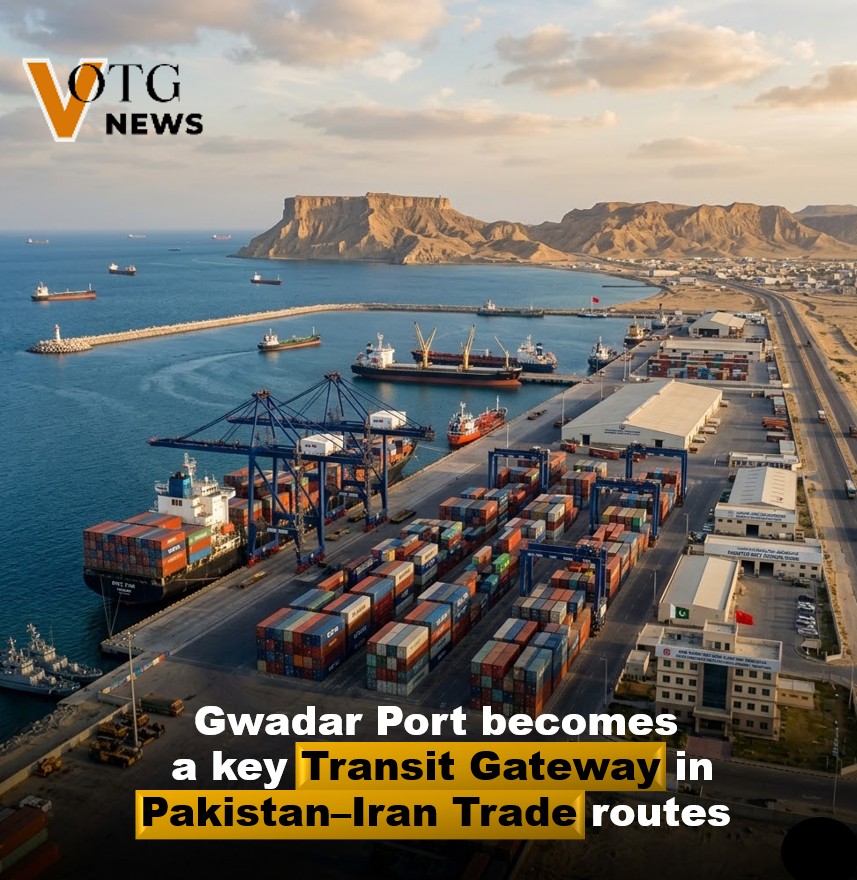
In recent developments shaped by regional instability in the Middle East, Pakistan has activated alternative transit routes to maintain trade flow with Iran. This move has brought renewed attention to Gwadar Port, one of Pakistan’s most strategically important maritime assets.
5/6/20261 min read
A Shift in Regional Trade Dynamics
The disruption in sea routes passing through the Strait of Hormuz has forced several countries to rethink their logistics and supply chains. In response, Pakistan has facilitated overland transit routes connecting its ports to Iran, ensuring that essential cargo movement continues despite maritime challenges.
Among these ports, Gwadar has emerged as a key gateway.
Gwadar’s Strategic Role in Transit Trade
Gwadar Port is now serving as one of the starting points for cargo destined for Iran. A major corridor runs from Gwadar through Gabd, located near the Pakistan–Iran border in Balochistan. This route significantly reduces travel time to Iran compared to other inland pathways.
Additional transit connections through southern Balochistan also link Pakistan’s port infrastructure to border crossings such as Taftan, further strengthening logistical flexibility.
These developments highlight Gwadar’s evolving role—not just as a port under the China–Pakistan Economic Corridor (CPEC), but as a regional trade bridge during times of crisis.
Why This Transit Route Matters
The opening of these corridors is primarily aimed at:
Ensuring uninterrupted trade between Pakistan and Iran
Supporting stranded cargo movement affected by regional disruptions
Providing Iran with alternative supply routes
Strengthening Pakistan’s position as a transit hub in South and West Asia
Beyond immediate needs, this shift also enhances Gwadar’s long-term significance in regional commerce and logistics planning.
A Step Toward Regional Connectivity
While the current arrangement is driven by urgent circumstances, it reflects a broader trend: increasing reliance on land-based trade corridors in South Asia and the Middle East.
Gwadar’s inclusion in these routes signals its growing importance in regional connectivity, especially as geopolitical and maritime conditions continue to evolve.
Disclaimer: This update is shared based on publicly available information. VOTG News is not responsible for any decisions made based on this news. The image is AI-generated only for illustration