
HEC Introduces Blockchain Degree Attestation: What It Means for MA Graduates and Everyone Else
Pakistan’s Higher Education Commission (HEC) is stepping into a new era of digital verification — and students across the country are asking the same question: “Will degree attestation become free?” While the answer isn’t fully “yes,” the new system does bring major improvements you should know about. Here’s a clear breakdown of what’s changing, what isn’t, and how it affects your degree attestation process, especially if you’re an MA graduate.
12/7/20252 min read
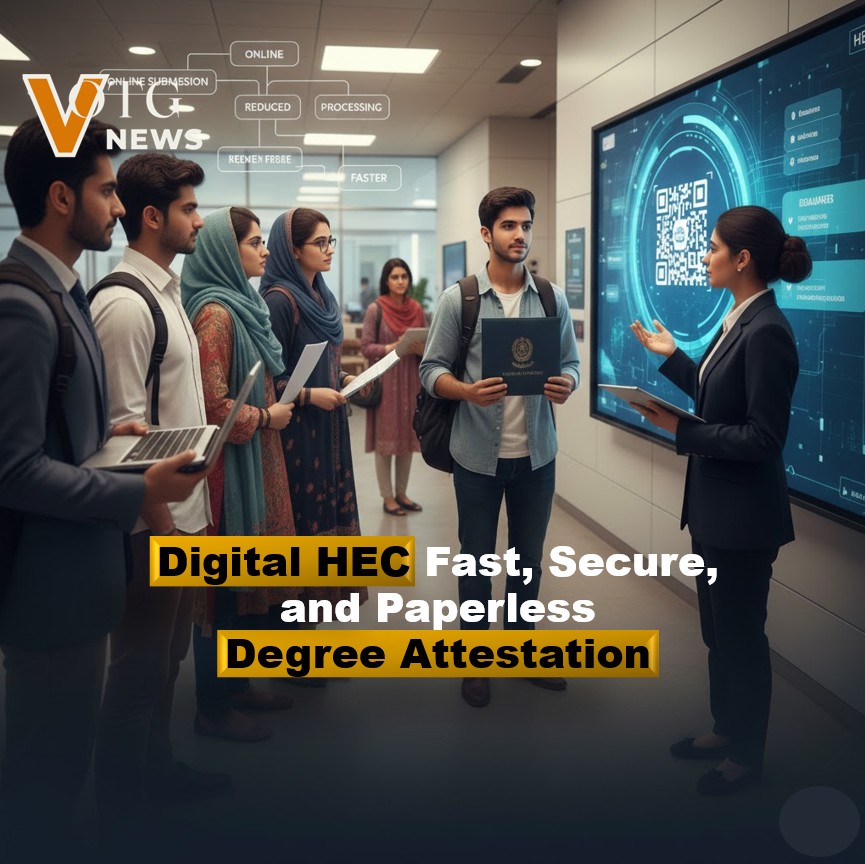
A Big Shift: HEC Moves to Blockchain-Based Attestation
HEC has begun rolling out a fully digital, blockchain-enabled degree attestation system designed to eliminate the traditional paperwork, long queues, and multiple visits to HEC offices.
Under the new framework:
Graduates from 25 universities that already use ERP systems will have their degrees automatically added to HEC’s blockchain at the time of graduation.
Graduates from non-ERP universities will upload their documents online. The issuing university will verify them digitally, and then HEC will store the attested degree on the blockchain.
The new system is expected to be fully operational within the next six months, according to recent announcements.
This shift means faster verification, safer digital storage, and an end to physical document handling for most students.
Will Degree Attestation Be Free Now?
This is the part many people misunderstand.
HEC’s new system focuses on automation and convenience, not on eliminating fees.
Here’s the current reality:
No official statement has been issued saying attestation will become completely free.
Historically, HEC has always charged a verification fee — and there’s no confirmed change yet.
However, the new system removes travel, courier, and in-person processing costs, making the process less expensive and less time-consuming overall.
So, while it’s not entirely “free,” it is easier, faster, and more accessible.
What Has Changed — and What Hasn’t?
What’s New
Online, blockchain-based attestation
No need for physical visits for many students
Automatic verification for ERP-enabled universities
Faster processing times
Secure digital storage of verified degrees
What Has Not Changed
Attestation fees have not been officially waived.
Non-ERP universities still require manual online verification steps.
Full nationwide rollout is still in progress.
What This Means for MA Degree Holders
If you hold an MA degree from an HEC-recognized university:
You may no longer need to visit HEC offices once the system is fully live.
Online verification will become the standard process.
Your degree may be automatically attested if your university uses an ERP system.
You should still expect standard fees unless HEC announces a change.
Overall, MA graduates stand to benefit from a much smoother, faster, and modernized attestation process.
Final Thoughts
HEC’s move to blockchain technology is one of the biggest upgrades Pakistan’s education sector has seen in years. While attestation isn’t completely free yet, the upcoming system promises:
Less hassle
Fewer delays
Greater transparency
Safer digital verification
It’s a major step toward modernizing academic verification in Pakistan — and a welcome improvement for students, employers, and universities alike.
Disclaimer: This update is shared based on publicly available information. VOTG News is not responsible for any decisions made based on this news. The image is AI-generated only for illustration