
How France Made It Illegal for Supermarkets to Waste Food
In a bold move against food waste, France became the first country in the world to require large supermarkets to donate unsold, edible food to charities instead of throwing it away. The law, passed in 2016, transformed how retailers handle surplus food — and sparked global conversations about hunger, sustainability, and corporate responsibility.
2/19/20261 min read
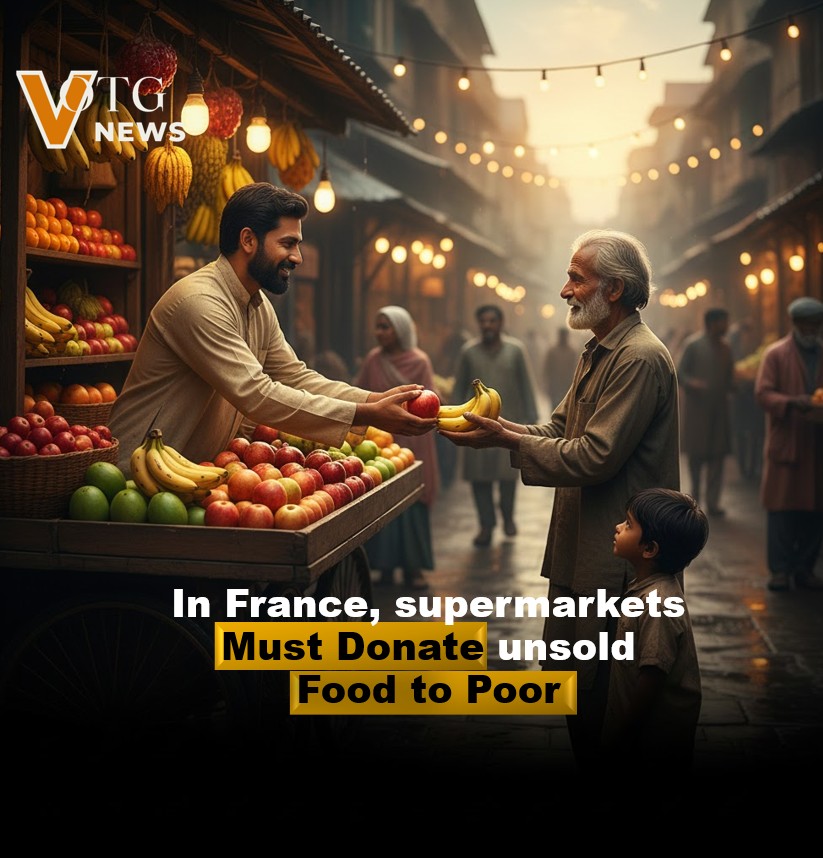
Why the Law Was Needed
Every year, millions of tons of food are wasted worldwide, even as many families struggle to afford basic groceries. In France, public outrage grew after reports surfaced that some supermarkets were deliberately destroying unsold food to prevent people from taking it from dumpsters.
Lawmakers responded with a clear message: edible food should feed people, not landfills.
What the Law Requires
Under the French legislation:
Supermarkets larger than 400 square meters must donate unsold food that is still safe to eat.
Stores are required to sign formal agreements with charities or food banks to ensure regular donations.
Destroying edible food intentionally is prohibited.
Non-compliance can result in financial penalties.
The law focuses only on food that remains safe for consumption, including items close to their “best before” dates.
A Win for People and the Planet
The impact has been twofold:
Supporting vulnerable communities – Food banks and charities now receive a more consistent supply of goods.
Reducing environmental damage – Food waste in landfills produces methane, a powerful greenhouse gas. Redirecting food helps reduce emissions.
Beyond donations, the law also encouraged supermarkets to improve inventory management and rethink how they handle surplus goods.
A Global Example
France’s policy has inspired debates in other countries about adopting similar measures. While different nations face unique challenges, the French model demonstrates that legislation can successfully address both food insecurity and environmental sustainability at the same time.
The Bigger Picture
The law is part of France’s broader strategy to combat waste across the supply chain — from production to retail. It reflects a growing understanding that reducing waste is not only an environmental issue, but also a social responsibility.
Disclaimer: This update is shared based on publicly available information. VOTG News is not responsible for any decisions made based on this news. The image is AI-generated only for illustration