
Iran Declares Strait of Hormuz Closed Amid Rising Regional Tensions
Iran has announced the closure of the Strait of Hormuz, one of the world’s most important maritime routes for oil and gas shipments. The development has raised concerns about regional security, global energy supplies, and international shipping.
7/12/20261 min read
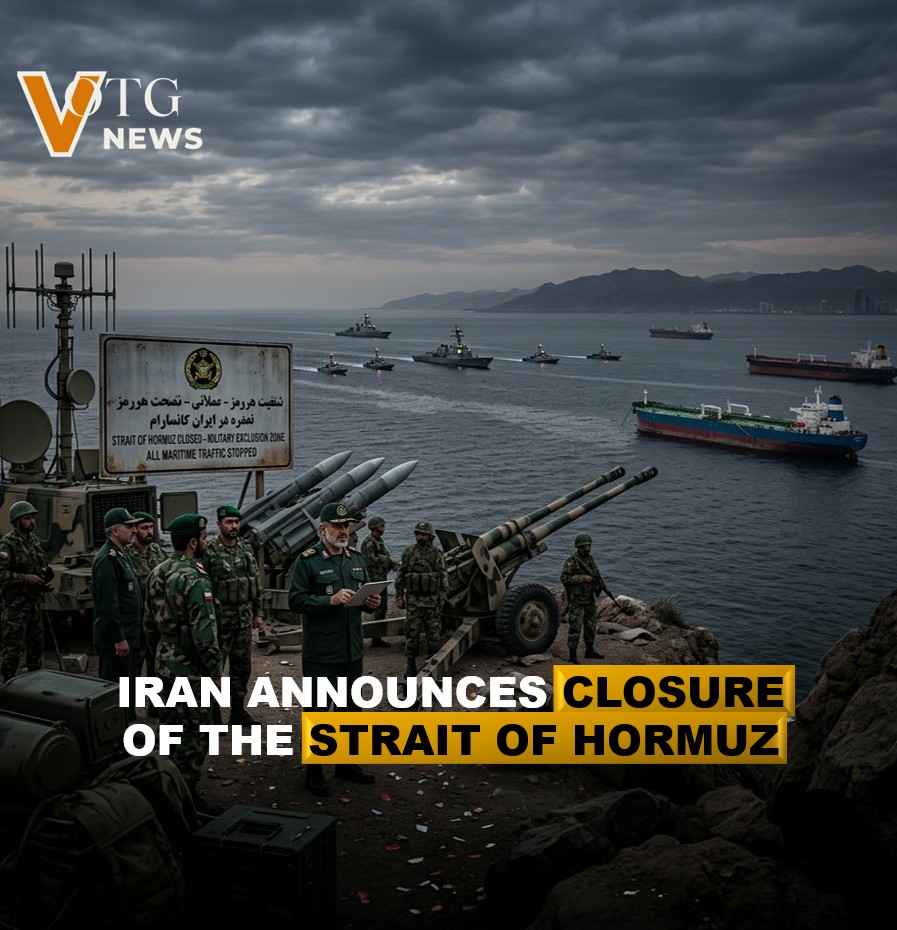
Iran has declared the Strait of Hormuz closed amid escalating tensions in the Gulf region. The narrow waterway, located between Iran and Oman, is considered one of the most strategic shipping lanes in the world because a large share of global oil and liquefied natural gas (LNG) exports passes through it.
The announcement has heightened concerns among energy markets, shipping companies, and international observers. Any disruption in traffic through the strait can have significant economic consequences, as it serves as a key route for energy exports from Gulf countries including Saudi Arabia, the United Arab Emirates, Kuwait, Qatar, Iraq, and Bahrain.
According to reports, Iranian authorities said the move was taken in response to ongoing regional tensions and security concerns. However, officials from the United States and some international maritime authorities have stated that commercial shipping traffic has continued in parts of the strait, leading to differing claims about the practical impact of the announcement.
The Strait of Hormuz is especially important because it connects the Persian Gulf with the Gulf of Oman and the Arabian Sea. Analysts estimate that roughly 20 percent of the world’s seaborne oil trade moves through this corridor, making it a critical chokepoint for global energy supplies.
The announcement has already influenced global markets, with concerns over possible supply disruptions contributing to volatility in oil prices. Governments and international organizations are closely monitoring the situation and calling for restraint to avoid further escalation.
Diplomatic efforts are expected to continue as regional and global stakeholders seek to maintain stability and ensure the free flow of international trade. The situation remains fluid, and further developments may affect shipping operations, energy prices, and regional security dynamics.
Disclaimer: This update is shared based on publicly available information. VOTG News is not responsible for any decisions made based on this news. The image is AI-generated only for illustration