
Iran Declares Strait of Hormuz “Completely Open” — What It Means for the World
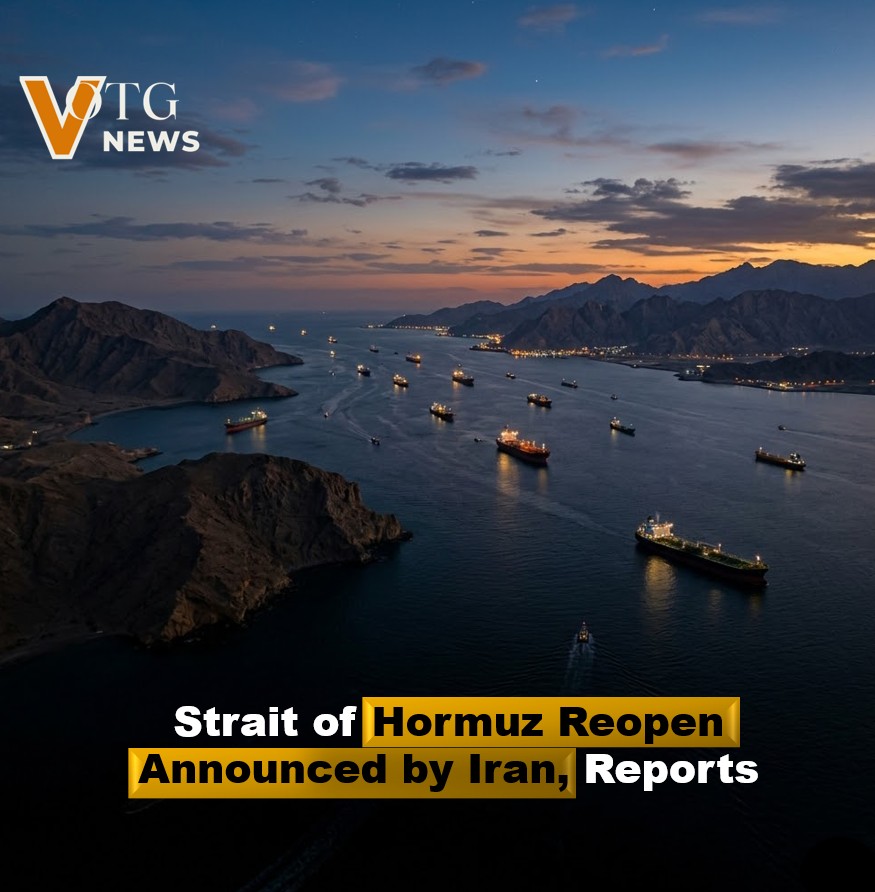
In a significant development for global trade and energy markets, Iran has announced that the Strait of Hormuz is now “completely open” for commercial shipping. The statement comes amid a fragile ceasefire in a region that has seen rising tensions in recent weeks.
4/17/20261 min read
A Critical Global Lifeline Reopens
The Strait of Hormuz is one of the most important maritime chokepoints in the world. Roughly one-fifth of global oil supply passes through this narrow corridor, making any disruption a major concern for economies worldwide.
Iran’s announcement signals that commercial vessels are now allowed to transit through the strait again. However, this reopening is not entirely unconditional. Reports suggest that ships may be required to follow designated routes, and the current access is tied closely to the ongoing ceasefire.
Temporary Relief, Not a Permanent Solution
While the news has been welcomed by global markets, it’s important to understand that the situation remains delicate. The reopening is described as temporary, dependent on how long the ceasefire holds.
Geopolitical tensions in the region have not fully subsided, and military presence from international powers continues to add uncertainty. For shipping companies and insurers, this means that risk calculations are still very much in play.
Immediate Impact on Oil Markets
The response from global markets was swift. Oil prices dropped sharply following the announcement, reflecting renewed confidence that supply routes will remain operational—at least in the short term.
This highlights just how sensitive global energy markets are to developments in the Strait of Hormuz. Even a partial or temporary reopening can shift prices significantly.
Disclaimer: This update is shared based on publicly available information. VOTG News is not responsible for any decisions made based on this news. The image is AI-generated only for illustration