
Iran Re-Closes the Strait of Hormuz as U.S. Blockade Continues
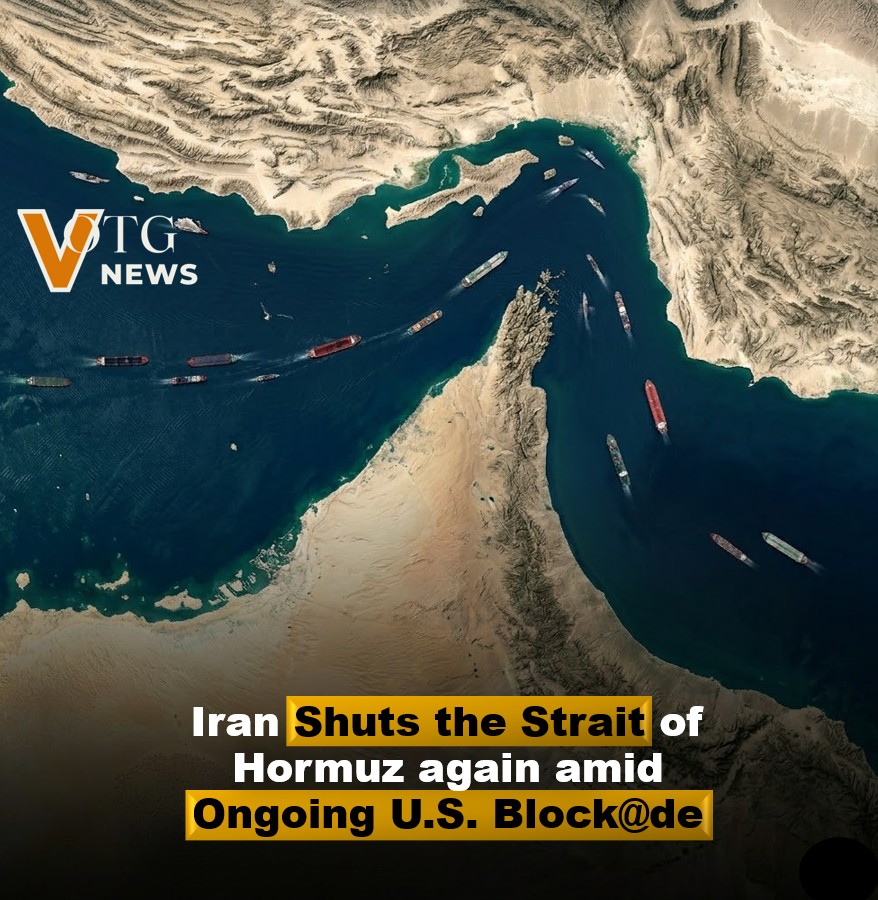
Tensions in the Middle East have escalated once again as Iran moves to re-close the strategically critical Strait of Hormuz. The decision comes just days after the waterway was briefly reopened, highlighting the rapidly shifting and uncertain nature of the situation. The latest development follows the continuation of a U.S. naval blockade ordered by Donald Trump, which targets vessels linked to Iranian ports. Iranian officials had previously warned that any prolonged pressure or restrictions would lead to renewed disruption in the strait—and that warning has now materialized.
4/18/20261 min read
A Rapidly Changing Situation
Only a short time ago, there were signs of temporary relief when Iran allowed limited commercial traffic to pass through the Strait of Hormuz. Some tankers managed to transit the route during that window. However, the reopening proved short-lived.
With the blockade still in effect, Iranian authorities have once again restricted passage, raising alarms across global shipping networks. Reports indicate that vessels in the region are now exercising extreme caution, with some turning back or delaying transit due to security concerns.
Why the Strait of Hormuz Matters
The Strait of Hormuz is one of the most vital energy corridors in the world. Roughly one-fifth of global oil supply passes through this narrow channel, making it a cornerstone of international trade and energy security.
Any disruption—whether temporary or prolonged—can have immediate ripple effects on global markets. Oil prices often react sharply to instability in the region, and supply chains can face delays or increased costs as shipping routes are reassessed.
Rising Risks and Global Impact
The renewed closure underscores a broader pattern: a cycle of escalation and de-escalation with no lasting resolution in sight. The presence of military forces, combined with warnings and reported confrontations at sea, has created an environment of heightened risk.
For countries dependent on energy imports, especially in Asia, the stakes are particularly high. Prolonged instability in the Strait of Hormuz could translate into higher fuel costs, inflationary pressure, and economic uncertainty.
What Comes Next?
At this stage, there is no clear indication of a breakthrough. Diplomatic efforts are ongoing, but both sides appear firm in their positions. Iran has tied the reopening of the strait to the lifting of the blockade, while the United States maintains that restrictions will remain until its conditions are met.
Disclaimer: This update is shared based on publicly available information. VOTG News is not responsible for any decisions made based on this news. The image is AI-generated only for illustration