
Iran Shifts Trade Routes Toward Pakistan Amid Gulf Shipping Disruptions
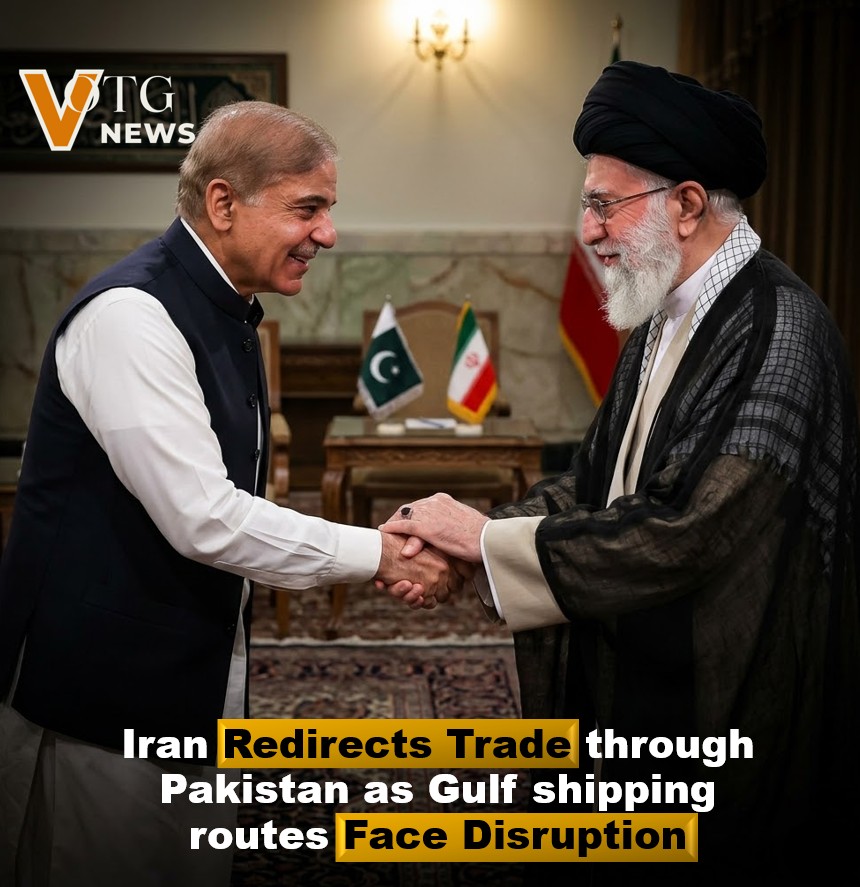
In recent weeks, reports have circulated claiming that Iran has replaced the United Arab Emirates as its primary shipping route with Pakistan. While that statement captures attention, the reality is more nuanced—and far more interesting. A major shift is underway in regional trade patterns, driven largely by escalating tensions in the Gulf and disruptions in the Strait of Hormuz. Traditionally, Iran has relied heavily on UAE ports—particularly Dubai—as a key hub for imports and re-exports. However, ongoing conflict and security concerns have significantly reduced shipping activity in those waters.
5/3/20261 min read
A New Transit Path Through Pakistan
Pakistan is now playing a growing role as a transit corridor for goods destined for Iran. Shipments arriving at ports such as Gwadar, Karachi, and Port Qasim are increasingly being transported overland into Iran through border crossings like Taftan.
This shift allows Iran to bypass some of the risks associated with maritime routes in the Gulf. It also highlights Pakistan’s strategic geographic position, offering a land bridge that connects maritime trade with inland destinations.
Why This Change Is Happening
Several key factors are driving this development:
Security concerns in the Strait of Hormuz: Ongoing tensions have made shipping routes less reliable and more expensive.
Strained Iran-UAE relations: Political and military developments have reduced cooperation between the two.
Sanctions and regional instability: These pressures have forced Iran to diversify its logistics network.
Need for flexibility: Relying on multiple routes reduces vulnerability during times of crisis.
Not a Full Replacement
Despite the headlines, it’s important to understand that Pakistan has not completely replaced the UAE as Iran’s primary trade hub. Instead, this is a strategic and temporary adjustment—a way for Iran to maintain supply lines under difficult conditions.
The UAE remains a major player in regional trade, and its role could expand again if tensions ease.
What This Means for the Region
This shift could have lasting implications. For Pakistan, increased transit trade may bring economic opportunities, including higher port activity and logistics demand. For the broader region, it signals a move toward more flexible and diversified trade networks.
Disclaimer: This update is shared based on publicly available information. VOTG News is not responsible for any decisions made based on this news. The image is AI-generated only for illustration