
Is Iran Charging Ships to Pass Through the Strait of Hormuz?
Recent headlines have sparked concern across global markets: Is Iran really charging ships to pass through the Strait of Hormuz? The short answer is yes—but the full story is more complex and deeply tied to ongoing geopolitical tensions.
4/10/20261 min read
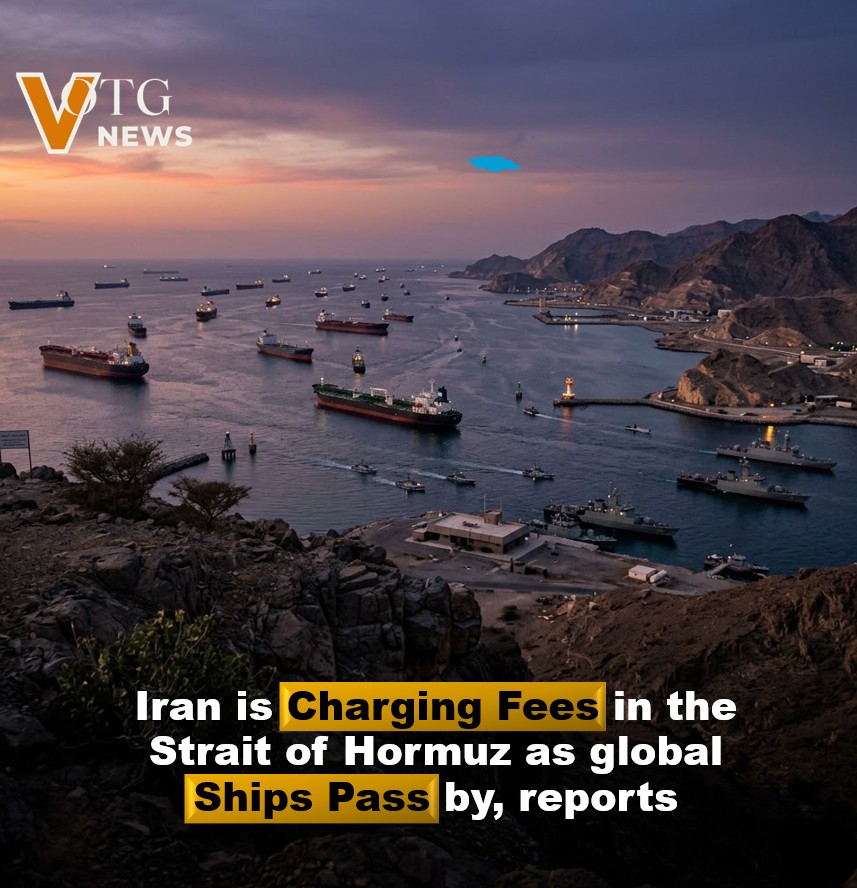
What Is Happening in the Strait of Hormuz?
The Strait of Hormuz is one of the most critical shipping routes in the world, handling roughly 20–25% of global oil trade. Any disruption here has immediate consequences for energy prices and international trade.
Amid rising tensions in the region, Iran has reportedly begun imposing fees on vessels passing through the strait. These charges vary, with some reports suggesting:
Around $1 per barrel of oil
Up to $2 million per oil tanker
These measures are not part of any widely recognized international system but are instead being enforced unilaterally under current conditions.
Why Is Iran Charging These Fees?
Iran’s actions appear to be driven by several factors:
Security Control: Monitoring ships entering and leaving the region
Economic Pressure: Generating revenue amid ongoing sanctions
Strategic Leverage: Increasing influence over a critical global chokepoint
From Iran’s perspective, these fees are tied to maintaining oversight and control during a period of instability.
Is This Legal Under International Law?
This is where the controversy intensifies.
Under international maritime law—particularly the United Nations Convention on the Law of the Sea (UNCLOS)—the Strait of Hormuz is considered an international waterway. This means ships generally have the right of free passage without interference or additional charges.
As a result, many countries and international organizations argue that:
These tolls are not legally justified
They could set a dangerous global precedent
Global Impact: Why This Matters
The implications of this situation go far beyond the Middle East:
Rising Oil Prices: Even minor disruptions can push prices upward
Shipping Delays: Some companies may reroute vessels, increasing costs
Economic Uncertainty: Markets react quickly to instability in energy supply chains
For countries that rely heavily on imported fuel, including many in Asia, this could mean higher energy costs and inflationary pressure.
Disclaimer: This update is shared based on publicly available information. VOTG News is not responsible for any decisions made based on this news. The image is AI-generated only for illustration