
Is the Strait of Hormuz Changed Forever?
The Strait of Hormuz has long been one of the most critical chokepoints in the global economy. A significant portion of the world’s oil supply passes through this narrow corridor every day, making it a lifeline for energy markets and international trade. But recent geopolitical tensions—particularly involving Iran, the United States, and Israel—have thrown its future into question. Statements from Iranian military leadership now suggest that the strait may “never return to its previous status,” sparking concern across global markets.
4/6/20261 min read
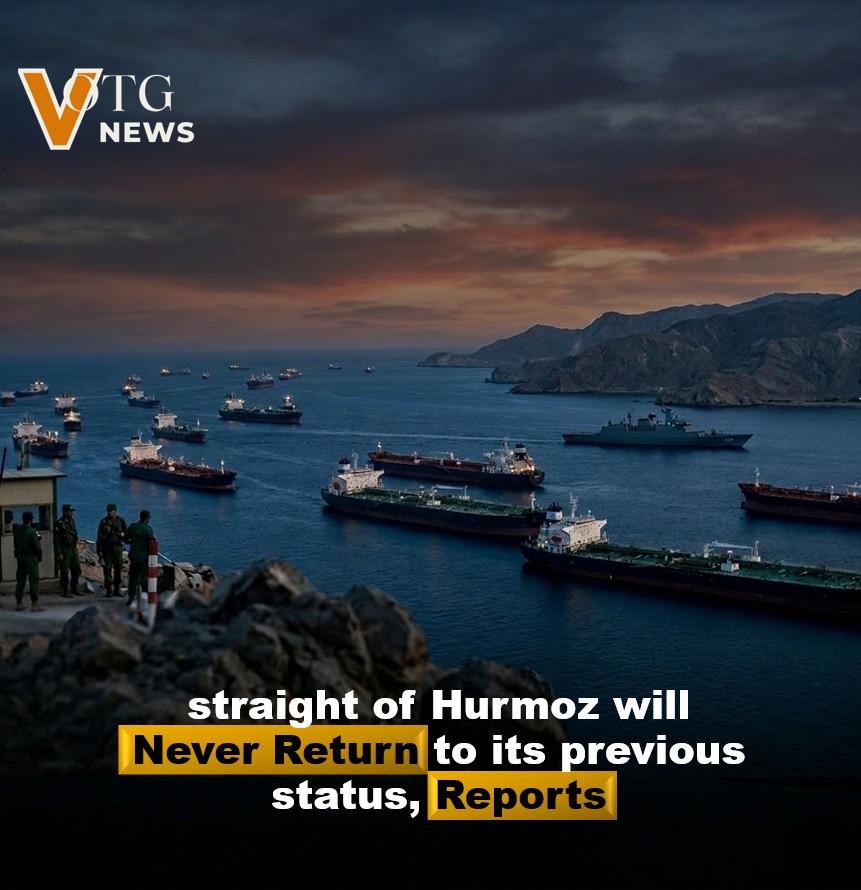
A “New Reality” in the Gulf
Iran’s naval forces have signaled that the Strait of Hormuz has entered what they describe as a “new reality.” While this doesn’t necessarily mean a permanent closure, it reflects a shift in how the waterway may be controlled and accessed moving forward.
This rhetoric is not just about immediate military tensions—it’s also about leverage. By tightening control over such a crucial passage, Iran gains a powerful bargaining tool in its broader geopolitical conflict.
What’s Happening on the Ground?
Shipping traffic through the strait has already declined significantly. Oil tankers are either delaying transit or rerouting where possible, and global energy markets are reacting with volatility.
The disruption has created ripple effects:
Oil prices have surged due to uncertainty
Shipping costs and insurance premiums have increased
Energy-dependent economies are feeling immediate pressure
For countries that rely heavily on imported oil, even short-term instability in the Strait of Hormuz can translate into higher fuel prices and economic strain.
Why This Matters Globally
The importance of the Strait of Hormuz cannot be overstated. Any sustained disruption affects not only the Middle East but also economies across Asia, Europe, and beyond.
Even the possibility of restricted access forces companies and governments to rethink their strategies. Some may begin investing more heavily in alternative routes, storage facilities, or different energy sources to reduce dependence on this single chokepoint.
Will Things Ever Go Back to Normal?
Despite the strong language, a permanent transformation is not guaranteed. Several outcomes remain possible:
1. Diplomatic Resolution
If tensions ease and negotiations succeed, the strait could return to near-normal operations.
2. Controlled Reopening
A more likely short-term scenario is partial reopening, where shipping resumes but under tighter monitoring, higher costs, and ongoing risk.
Disclaimer: This update is shared based on publicly available information. VOTG News is not responsible for any decisions made based on this news. The image is AI-generated only for illustration