
Japan’s Major Auto Investment in Pakistan Could Create Over 100,000 Jobs
Pakistan’s automotive sector is set for a significant boost as Japanese investors signal expanded involvement in the country’s auto industry. Recent high-level discussions between Pakistani officials and Japanese business leaders have highlighted new opportunities for investment, job creation, and long-term industrial growth.
2/12/20262 min read
A New Chapter in Pakistan–Japan Economic Cooperation
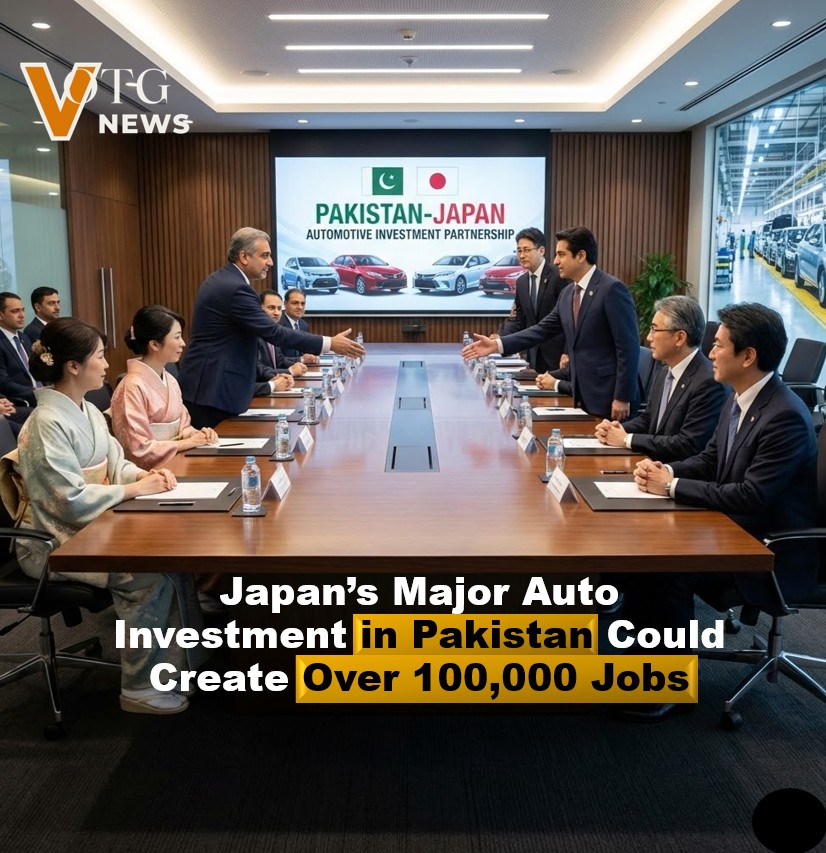
At the Japan–Pakistan Business Seminar 2026 held in Islamabad, both sides reaffirmed their commitment to strengthening industrial collaboration. Pakistan assured Japanese automakers that regulatory hurdles, tax concerns, and export issues would be addressed to create a more investor-friendly environment.
The move aims to deepen economic ties and encourage further expansion of Japanese automotive operations in the country.
Over 100,000 Jobs Expected
One of the most promising aspects of this development is employment generation. Industry estimates suggest that expanded Japanese investment could create more than 100,000 new jobs over time.
These opportunities are expected across multiple sectors, including:
Vehicle assembly plants
Auto parts manufacturing
Vendor and supplier networks
Logistics and distribution
Engineering and technical services
Such growth would not only reduce unemployment but also strengthen Pakistan’s industrial workforce.
Strong Japanese Presence in Pakistan
Japanese automotive brands — including Toyota, Suzuki, and Honda — have been operating in Pakistan for decades. They have played a central role in shaping the country’s automotive manufacturing landscape.
With renewed focus on investment, these companies are likely to increase localization of parts, introduce advanced production techniques, and enhance manufacturing standards.
Focus on Technology and Modern Manufacturing
Beyond job creation, the expanded cooperation is expected to bring technological advancements. Japanese production systems are known for efficiency, quality control, and continuous improvement practices such as Kaizen and 5S methodologies.
Greater collaboration may also encourage innovation in fuel-efficient and environmentally friendly vehicles, aligning Pakistan’s auto industry with global trends.
Government Support and Policy Improvements
To attract and sustain foreign investment, Pakistan has signaled plans to streamline policies, rationalize tariffs, and improve tax processes. By creating a transparent and supportive business environment, the government aims to position the country as a competitive manufacturing hub in the region.
What This Means for Pakistan’s Economy
If successfully implemented, this wave of investment could:
Strengthen local manufacturing
Increase exports
Develop skilled labor
Boost economic growth
Enhance global competitiveness
Japan’s renewed confidence in Pakistan’s auto sector sends a positive signal to other international investors as well.
Disclaimer: This update is shared based on publicly available information. VOTG News is not responsible for any decisions made based on this news. The image is AI-generated only for illustration