
KP Government Bans One-on-One Office Meetings Between Male Teachers and Female Students
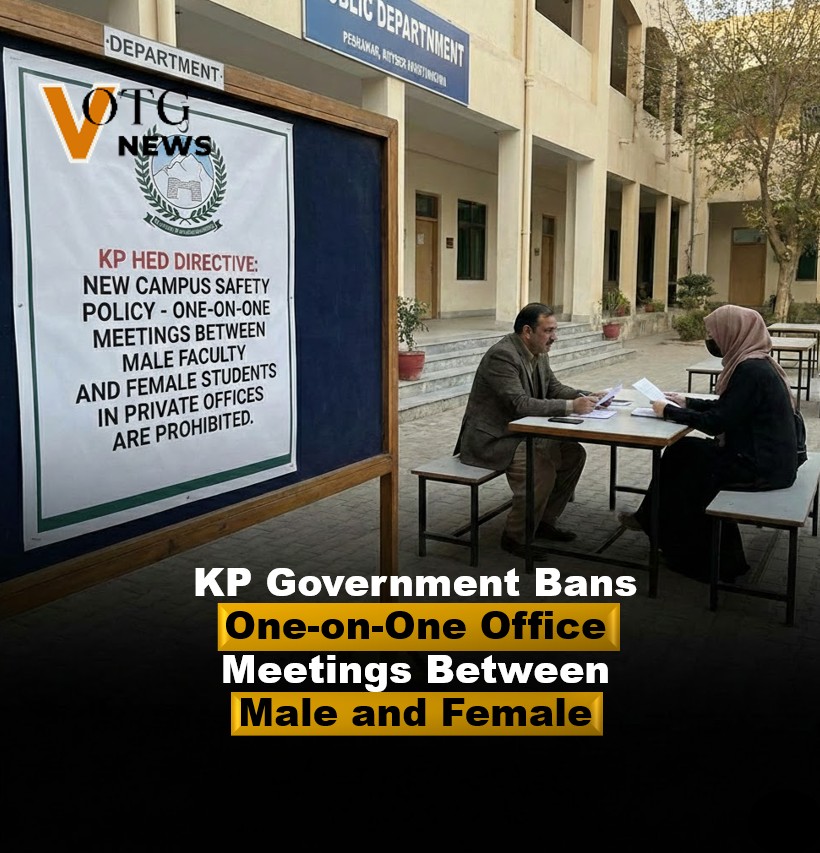
The Khyber Pakhtunkhwa (KP) government has introduced a new policy aimed at strengthening campus safety across public universities. Under the latest directive issued by the Higher Education Department, male faculty members are no longer allowed to hold one-on-one meetings with female students inside their offices.
2/12/20261 min read
What the New Policy Says
According to the official instructions sent to public universities:
Male teachers are prohibited from meeting female students alone in their offices.
Each academic department must appoint a designated female faculty member to address female students’ academic concerns and complaints.
Universities are required to conduct quarterly awareness seminars about the Protection Against Harassment of Women at the Workplace Act.
Institutions must strengthen internal complaint mechanisms to ensure students feel secure reporting any issues.
The Higher Education Department has directed university administrations to implement these measures immediately.
Purpose Behind the Decision
The provincial government says the policy is intended to minimize the risk of harassment, misconduct, or misunderstandings arising from private meetings. By introducing structured and transparent communication channels, authorities aim to foster a safer educational atmosphere.
Officials believe that assigning female faculty members to handle sensitive matters will make it easier for female students to voice concerns without hesitation.
Mixed Reactions Expected
While supporters view the decision as a necessary step toward protecting students and promoting accountability, others may raise questions about its practical implementation and impact on academic interactions.
As universities begin enforcing the directive, its effectiveness and reception among faculty and students will likely become clearer in the coming months.
A Step Toward Safer Campuses
Campus safety and gender-sensitive policies remain critical issues in higher education. KP’s new directive reflects an effort to address these concerns through structural safeguards and increased awareness.
Disclaimer: This update is shared based on publicly available information. VOTG News is not responsible for any decisions made based on this news. The image is AI-generated only for illustration