
Maryam Nawaz Launches Colour-Coded Waste Bin System Across Punjab
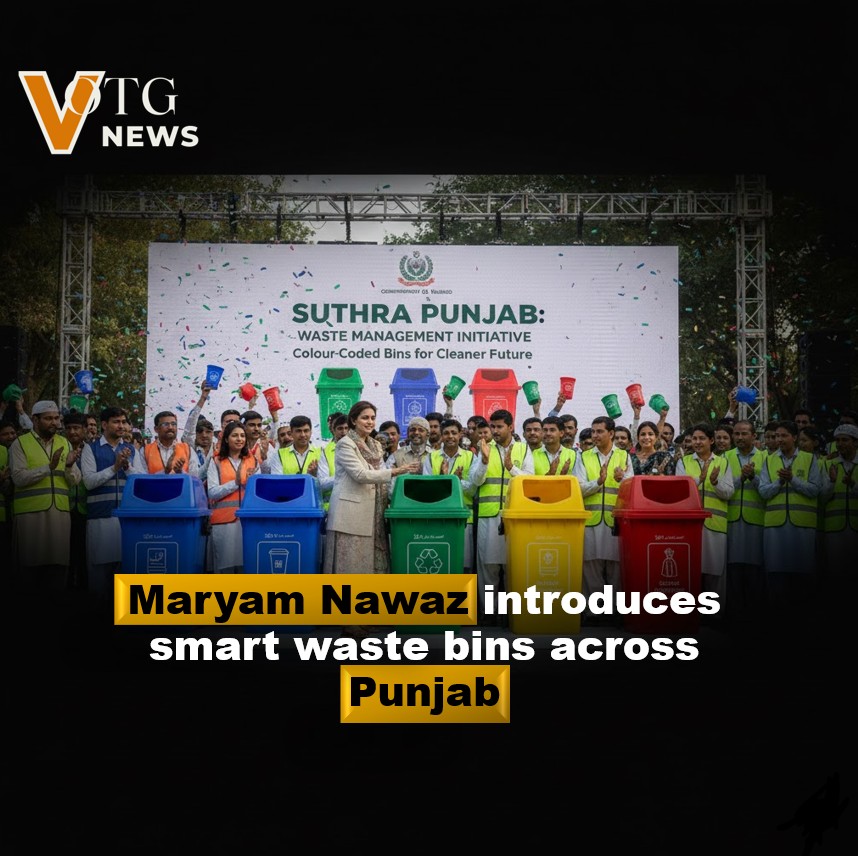
Punjab Chief Minister Maryam Nawaz has introduced an ambitious, province-wide waste-management initiative that aims to modernize how citizens dispose of their everyday trash. The new system, which uses colour-coded dustbins for different categories of waste, is designed to make recycling easier, reduce environmental pollution, and bring Punjab closer to international sanitation standards. This initiative marks one of the most comprehensive waste-segregation efforts ever launched in the province.
11/30/20252 min read
A Province-Wide Rollout for Smarter Waste Management
Initially launched in educational institutions earlier this year, the programme has now expanded to include:
All markets and commercial centres
Shopping malls
Government offices
Private offices
Public spaces
Schools and colleges (public & private)
Authorities have been instructed to ensure rapid installation of the bins, while inspections and compliance monitoring are being intensified across urban and rural areas.
What Each Bin Colour Means
To simplify waste-sorting for the public, each type of waste has been assigned a specific colour:
Yellow — Paper and packaging materials
Green — Bottles, glass items, and certain lab waste
Purple/Gray — Organic waste such as fruit peels, vegetable scraps, leaves, and leftover food
Red — Iron, metal waste, and related items
Orange — Plastics
This universal colour system is meant to encourage consistent habits, whether someone is at school, work, or a busy marketplace.
Clear Deadlines and Accountability
The government set firm deadlines for institutions to install the bins, with schools given a cutoff of 30 September 2025. Inspections began immediately after, managed by relevant local authorities and the Punjab Environmental Protection Agency.
Non-compliant institutions face warnings, fines, or further administrative action—an indication that this initiative is not symbolic, but a real policy shift.
A Step Toward a Cleaner, Greener Punjab
The colour-coded dustbin campaign is part of a broader “Smart Waste Management” framework designed to:
Reduce litter and visual pollution
Encourage recycling and resource recovery
Improve overall sanitation in crowded urban spaces
Train the next generation to adopt eco-friendly habits
By turning waste-segregation into a daily routine for millions of residents, the Punjab government hopes to significantly reduce pressure on landfills and promote more sustainable waste-processing methods.
Public Response and Early Impact
Early reactions have been positive, especially from schools that now use the bins as teaching tools for environmental awareness. Many businesses have also welcomed the move, viewing it as a step toward a cleaner environment and improved civic image.
As the installation continues across major cities and smaller towns, the impact is becoming more visible—cleaner streets, more organized public spaces, and greater awareness among communities.
Conclusion
Maryam Nawaz’s directive to implement colour-coded waste bins represents a forward-thinking shift in Punjab’s approach to waste management. With clear guidelines, strong enforcement, and a focus on public participation, the initiative has the potential to transform the province’s environmental landscape.
If executed consistently, this could become a landmark model for other regions in Pakistan aiming to modernize their sanitation systems and nurture a culture of cleanliness and responsibility.
Disclaimer
This update is shared based on publicly available information. VOTG News is not responsible for any decisions made based on this news. The image is AI-generated only for illustration