
Middle East Tensions Surge as Iran Launches Missile Strikes Across Gulf Region
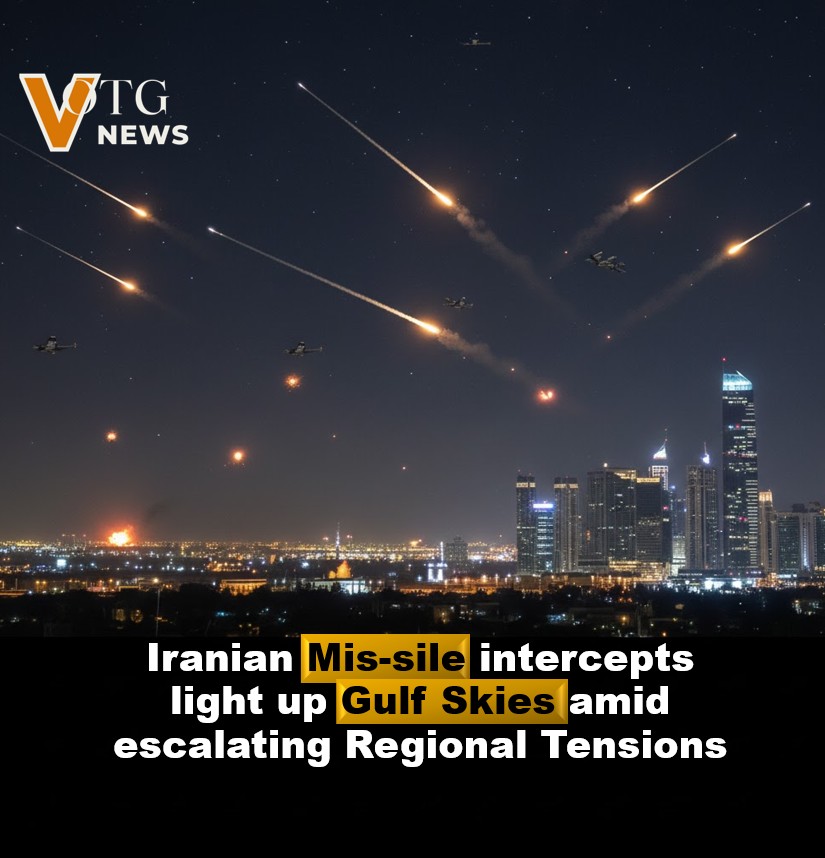
The Middle East entered a dangerous new phase of escalation after Iran launched a wave of missiles and drones toward several Gulf nations, following reported military strikes on Iranian territory by the United States and Israel. Iran described the operation as a direct response to those attacks, stating that its targets included foreign military assets and strategic positions in the region. The strikes were reportedly carried out by the Islamic Revolutionary Guard Corps (IRGC), a powerful branch of Iran’s armed forces.
2/28/20261 min read
Countries Affected
Missile alerts and air defense activity were reported across multiple Gulf nations:
United Arab Emirates: Authorities confirmed that several incoming missiles were intercepted. However, debris from interceptions fell in parts of Abu Dhabi, resulting in at least one reported fatality and heightened security across the capital.
Qatar: Officials stated that air defense systems successfully neutralized incoming threats. Airspace was temporarily restricted as a precaution.
Kuwait and Jordan: Both countries reported missile interceptions within their airspace, with emergency protocols activated to protect civilian areas.
Bahrain: Sirens sounded across the island kingdom, and reports indicated that areas near facilities associated with the United States Fifth Fleet were impacted.
Regional Response
Governments throughout the Gulf swiftly condemned the attacks, calling them violations of sovereignty and international law. Saudi Arabia issued a strong statement of solidarity with neighboring states and warned against further escalation.
Airspace closures and flight disruptions rippled across the region, affecting both commercial aviation and regional travel routes. Security forces in multiple capitals remain on high alert as officials assess damage and prepare for possible additional threats.
A Broader Escalation
This exchange marks one of the most direct confrontations between Iran and U.S.-aligned Gulf states in recent years. Analysts warn that continued retaliation could destabilize not only regional security but also global energy markets, given the Gulf’s strategic importance.
International calls for restraint are growing louder, with diplomatic efforts now focused on preventing further escalation. Whether this crisis leads to wider conflict or renewed negotiations remains uncertain.
Disclaimer: This update is shared based on publicly available information. VOTG News is not responsible for any decisions made based on this news. The image is AI-generated only for illustration