
Mini-Lightning on Mars: NASA’s Perseverance Rover Detects Mysterious Electrical Spark
For decades, scientists have wondered whether Mars—our dry, cold, and thin-atmosphered neighbor—could produce lightning. Now, thanks to new data from NASA’s Perseverance rover, we finally have an answer. Yes… but not the kind of lightning we see on Earth.
11/30/20252 min read
A Surprising Discovery on the Red Planet
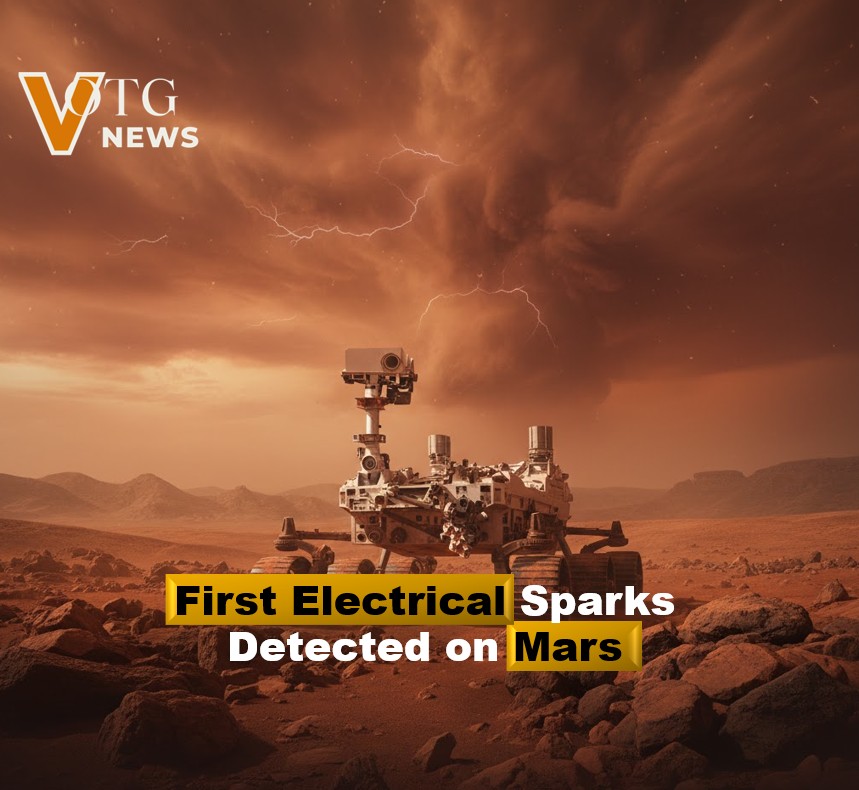
Perseverance has detected what researchers are calling “mini-lightning”—tiny electrical discharges crackling through Mars’s dusty atmosphere. These sparks were recorded through the rover’s audio sensors and electromagnetic equipment over two Martian years.
Instead of bright bolts streaking across the sky, these discharges resemble very weak static zaps, the kind you might get when touching a door handle on a dry day. Small, brief, and nearly invisible—but scientifically groundbreaking.
Why Mars Makes Mini-Lightning
Mars is covered in fine dust, and its frequent dust devils and storms are perfect for generating static electricity. As dust particles collide and swirl, they build up electrical charge. Under the right conditions, that charge suddenly discharges—creating the tiny electrical events Perseverance detected.
Even though the atmosphere on Mars is less than 1% as dense as Earth’s, these static events seem to be strong enough to register on scientific instruments.
This Isn’t the First “Light Show” on Mars
Earlier this year, scientists also captured the first visible-light images of green auroras dancing over Mars’s surface. Those auroras were caused by solar particles interacting with the atmosphere—similar to Earth’s northern lights, but far rarer and dimmer.
With both auroras and electrical discharges confirmed, Mars is proving to be much more dynamic than once believed.
Why This Matters for Future Missions
These findings go far beyond curiosity. Understanding Mars’s electrical environment is critical for:
Designing safer equipment that can withstand static discharge
Planning human missions, where electrical hazards could affect habitats or suits
Improving weather models for Martian dust storms
Studying atmospheric chemistry, which could influence the search for past microbial life
Even tiny sparks can have a big impact when you’re operating in an alien environment.
A New Chapter in Martian Weather
For years, scientists debated whether lightning could exist on Mars at all. Now we know: the planet can spark, crackle, and glow—just in its own subtle way.
Perseverance’s discovery marks the first direct evidence of electrical activity on Mars. It’s a reminder that the Red Planet still holds surprises, even after decades of exploration.
And with every new discovery, we get a clearer picture of what future explorers may face—and what makes Mars such a fascinating world.
Disclaimer
This update is shared based on publicly available information. VOTG News is not responsible for any decisions made based on this news. The image is AI-generated only for illustration