
Pakistan Air Force May Train Bangladeshi Pilots: What This Means for South Asian Defense Cooperation
Recent diplomatic and military engagements between Pakistan and Bangladesh suggest that the two countries may be entering a new phase of defense cooperation—one that could include the Pakistan Air Force (PAF) providing pilot training to the Bangladesh Air Force (BAF). While no formal, detailed training program has been publicly confirmed yet, multiple high-level discussions point toward a growing partnership with potential long-term implications.
11/25/20252 min read
High-Level Meetings Signal Growing Defense Ties
In early 2025, a senior Bangladeshi defense delegation, led by Lt. Gen. S.M. Qamar Hassan, met with Pakistan’s Air Chief Marshal Zaheer Ahmed Babar Sidhu. During this meeting, both sides explored several avenues of collaboration, including joint training programs, expanded military cooperation, and possible fighter jet acquisitions.
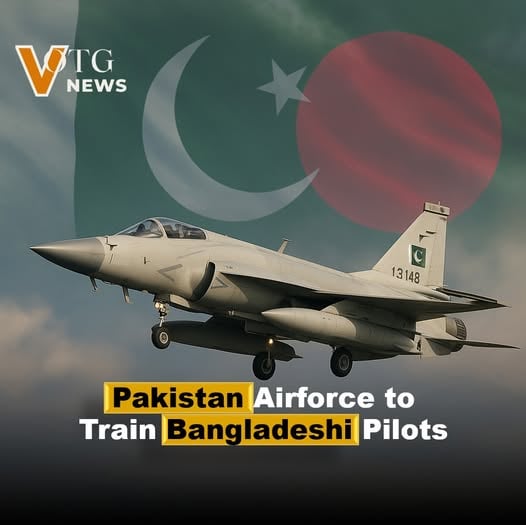
One notable point of interest was Bangladesh’s expressed enthusiasm for the JF-17 Thunder, a multirole combat aircraft jointly developed by Pakistan and China. If Bangladesh moves forward with this acquisition, it will naturally require a robust training pipeline—and the PAF, with extensive operational experience on the JF-17, would be a logical training partner.
Why Pilot Training Matters Now
Bangladesh has been working to modernize its air force, but recent challenges have amplified the urgency. A tragic jet crash in Dhaka underscored the need for enhanced safety measures, improved pilot training standards, and upgraded aviation infrastructure.
If the PAF provides training support, it could help Bangladesh:
Strengthen pilot skills and tactical readiness
Improve flight safety and operational procedures
Prepare crews for advanced fighter platforms
Build long-term capacity within the BAF
With decades of experience operating a large and diverse fleet of fighter aircraft, the PAF is well-positioned to assist in these areas.
What We Know — and What We Don’t
Although official statements mention “joint training opportunities,” specific details have not yet been publicly disclosed. This leaves several open questions:
Will the training take place in Pakistan, Bangladesh, or both?
What type of training is being considered—basic flight training, advanced tactical instruction, or conversion training for new aircraft?
How many personnel will participate, and over what time period?
Will this cooperation expand if Bangladesh moves ahead with the JF-17 purchase?
Despite these uncertainties, the signals are clear: both countries appear interested in deepening their military partnership.
Implications for the Region
If finalized, a pilot-training collaboration could mark a meaningful shift in South Asian defense dynamics. It would strengthen professional ties between the two air forces, open pathways for future joint programs, and support Bangladesh’s long-term goal of modernizing its air capabilities.
For Pakistan, it would reinforce its growing role as a regional defense partner, particularly through the export and support of the JF-17 platform.
Conclusion
While no formal training agreement has been officially announced, the groundwork for Pakistan Air Force training support to Bangladesh is visibly taking shape. With shared interests in aviation modernization and regional stability, both countries stand to benefit from closer cooperation in the skies.
As new details emerge, this potential collaboration could become one of the most noteworthy defense developments in South Asia in the coming years.
Disclaimer
The image is AI-generated only for illustration