
Pakistan Faces Tough Choices as Fuel Prices Continue to Rise
Pakistan is confronting difficult economic choices regarding fuel pricing, with experts warning that the government may either provide major relief to make petrol cheaper or allow prices to climb significantly due to global market pressures and domestic financial challenges.
5/22/20261 min read
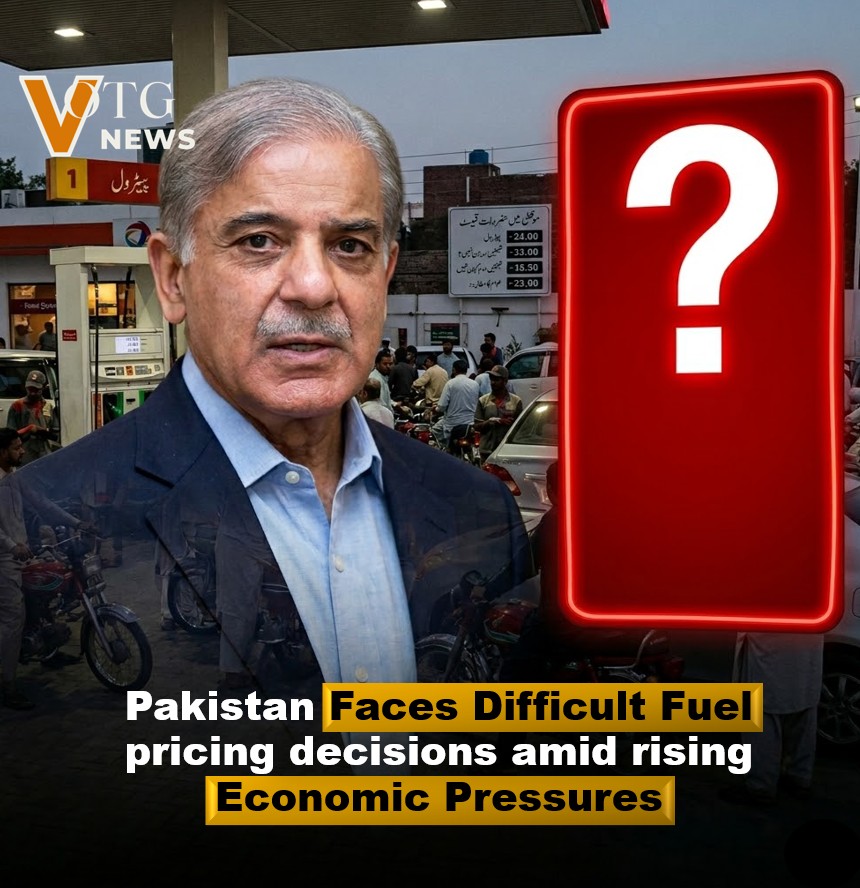
Pakistan’s ongoing fuel price crisis has sparked widespread debate over how the government should manage rising petrol costs amid economic uncertainty and international oil market fluctuations. Analysts say policymakers are facing limited options as the country struggles with inflation, currency pressure, and increasing energy import expenses.
Economists believe authorities may either attempt to provide temporary relief through subsidies and tax adjustments or allow fuel prices to rise further in line with global oil trends. Discussions surrounding possible future increases have intensified public concern about the affordability of transportation and daily living costs.
Petrol prices play a critical role in Pakistan’s economy because fuel costs directly affect transportation, food supply chains, electricity generation, and industrial operations. Any major increase in fuel prices can quickly trigger broader inflation across multiple sectors.
Experts note that international crude oil prices, exchange rate fluctuations, and government taxation policies remain key factors influencing domestic petrol rates. Pakistan’s reliance on imported fuel also makes the country vulnerable to global energy market volatility.
Public reaction to rising fuel costs has been increasingly strong, with citizens expressing concern over the impact on household budgets and business expenses. Transporters and industrial groups have also warned that continued increases could place additional pressure on the economy.
Financial analysts argue that long-term energy stability will require stronger investment in local energy production, renewable resources, and improved public transportation systems to reduce dependence on imported fuel.
The government is expected to continue reviewing fuel pricing policies while balancing economic stability, public pressure, and international financial obligations in the coming months.
Disclaimer: This update is shared based on publicly available information. VOTG News is not responsible for any decisions made based on this news. The image is AI-generated only for illustration