
Pakistan Launches Ambitious Five-Year Plan to Protect the Endangered Indus River Dolphin
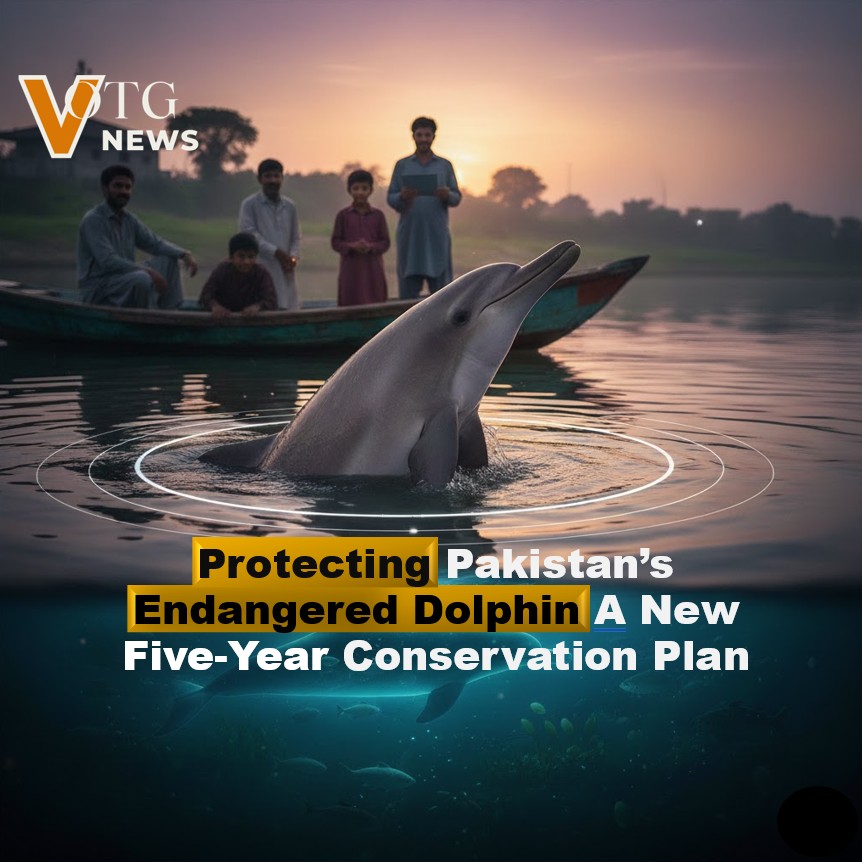
Pakistan has unveiled a comprehensive five-year conservation plan aimed at safeguarding one of the country’s most iconic and endangered species — the Indus river dolphin. Often called the “blind dolphin” due to its reliance on echolocation rather than eyesight, this freshwater cetacean is found almost exclusively in the lower Indus basin, making its survival inseparable from the health of the river itself.
12/6/20252 min read
Why a New Plan Now?
Although the Indus river dolphin population has shown modest recovery in recent years — with estimates hovering around 2,000 individuals — the species remains endangered. Threats such as harmful fishing gear, declining water flows, industrial pollution, habitat fragmentation, and frequent strandings in irrigation canals continue to endanger the population, particularly in the Punjab stretch of the river.
The updated plan was developed to address these persistent risks and to realign conservation action with present-day realities, including shifting water dynamics, community pressures, and climate-driven environmental change.
Core Goals of the Five-Year Strategy
1. Restoring and Protecting Habitat
The plan emphasizes restoring degraded riverine zones and ensuring responsible water-flow management across key stretches of the Indus. Protecting critical habitats — especially areas where dolphins face the highest risk — is one of the central pillars of the initiative.
2. Ensuring Safer Fishing Practices
Illegal and unsustainable fishing remains one of the leading threats to the species. The strategy calls for stricter enforcement against harmful gear, enhanced monitoring, and greater collaboration with fishing communities to reduce accidental by-catch.
3. Strengthening Rescue and Research Efforts
Stranding in irrigation canals is a recurring danger for these dolphins. The new plan expands rescue and rehabilitation units and prioritizes long-term scientific monitoring to track population health, habitat changes, and movement patterns.
4. Mobilizing Communities Through Awareness
Communities living along the Indus — from fishermen to young students — are being engaged through education campaigns, reporting networks, and hands-on conservation activities. Their participation is seen as essential for any long-term success.
5. Seeking International Conservation Recognition
Authorities intend to nominate key dolphin habitats for global recognition, such as Ramsar wetlands status or UNESCO Man and Biosphere designation. Such listings could attract international support and increase global visibility for the species.
What’s at Stake
Protecting the Indus river dolphin is about far more than saving a single species. The dolphin is a flagship indicator of freshwater ecosystem health. Its wellbeing reflects the condition of the river itself — upon which millions of people rely for drinking water, agriculture, fishing, and livelihood.
Healthy dolphin populations often signal clean, flowing rivers and balanced biodiversity. Their decline, by contrast, warns of deeper ecological stress.
Challenges Ahead
While the new plan is comprehensive, its success will depend heavily on on-ground enforcement, inter-provincial coordination, and continued investment. Water scarcity, pollution control, and balancing ecological needs with agricultural demands remain major hurdles. Moreover, effective conservation will require sustained trust and cooperation with local communities who depend on the river for survival.
A Hopeful Path Forward
The launch of this five-year conservation plan marks a hopeful and proactive shift in Pakistan’s environmental priorities. With dedicated implementation and community involvement, the initiative could set the stage for a healthier Indus ecosystem — and safeguard the future of one of the world’s rarest freshwater dolphins.
The survival of the Indus river dolphin is ultimately a reflection of how well Pakistan can protect its water resources and river heritage. This plan is a promising step in that direction.
Disclaimer: This update is shared based on publicly available information. VOTG News is not responsible for any decisions made based on this news. The image is AI-generated only for illustration