
Pakistan Plans New Highway Linking to China: A Game-Changing Route for Trade and Tourism
Pakistan is moving ahead with an ambitious infrastructure project: the construction of a new highway that will strengthen its connection with China and offer a modern alternative to the Karakoram Highway (KKH). This major development signals a new chapter in the country’s efforts to expand trade, improve mobility, and revitalize northern tourism under the broader umbrella of the China–Pakistan Economic Corridor (CPEC).
12/6/20252 min read
A New Route Through the North
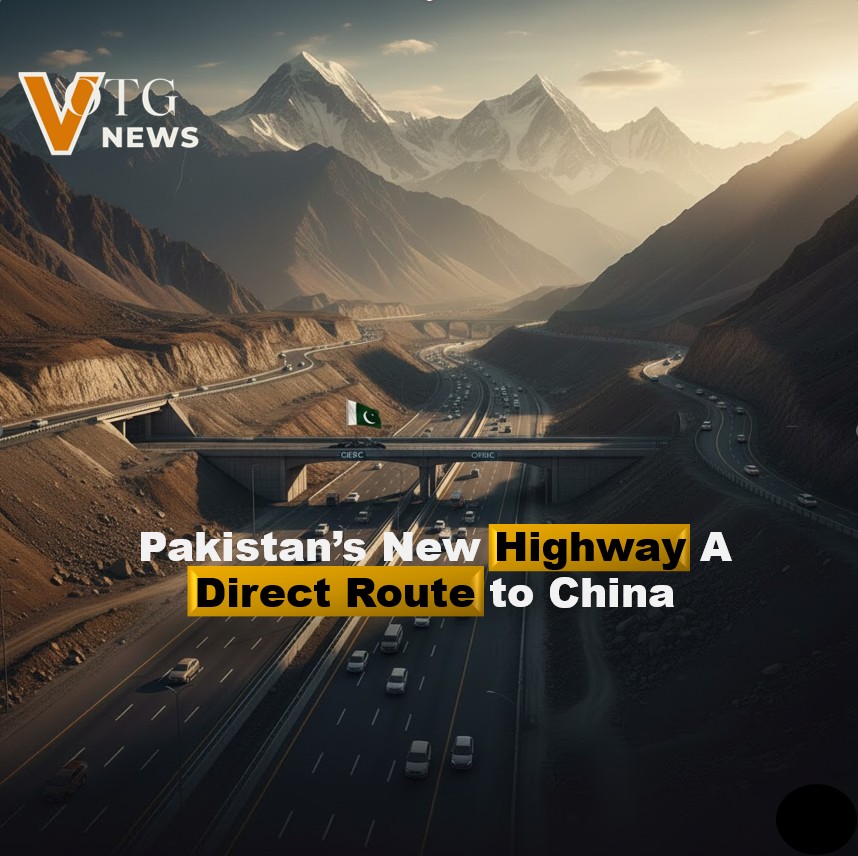
The planned N-15 National Highway will run from Mansehra through Naran and Jalkhad, all the way to Chilas, creating a seamless route toward the Pakistan–China border. The project is designed to function as a reliable, all-weather alternative to the existing KKH, which often faces seasonal closures due to harsh terrain and weather.
By offering a more stable passage through the mountains, the new highway is expected to ease both passenger and freight movement—especially for goods heading to and from China.
Why This Highway Matters
1. Boosting Bilateral Trade
China is one of Pakistan’s largest trading partners, and improving the physical corridor between the two countries has long been a strategic goal. The new highway is set to help:
Speed up cargo transport
Reduce logistical bottlenecks
Provide a dependable backup route in case the KKH is disrupted
This redundancy is valuable for long-term economic resilience.
2. Transforming Tourism in Northern Pakistan
Northern Pakistan already stands as one of the country’s most attractive tourist regions, home to dramatic peaks, lush valleys, and glacier-fed lakes. A smoother, safer highway through these areas will:
Open access to remote tourist destinations
Support local businesses and hospitality services
Encourage year-round travel instead of seasonal surges
3. Supporting CPEC’s Second Phase
The highway complements broader CPEC infrastructure goals, including road reconstruction, hydropower projects, and planned expansions in railway connectivity. With feasibility studies underway and funding discussions progressing, the N-15 is becoming a critical piece of the next phase of Pakistan’s transport modernization.
Challenges in the Mountains
Building a high-altitude highway is far from simple. The project involves:
Carving routes through rugged mountain terrain
Constructing tunnels, bridges, and protective structures
Conducting geological surveys to mitigate landslide and weather risks
Despite the engineering challenges, the early stages—including feasibility and design work—are moving forward.
A Step Toward Regional Integration
The new Pakistan–China highway is more than a roadway—it’s a strategic investment in economic and regional connectivity. By enhancing trade capacity, supporting tourism, and improving resilience in the transportation network, Pakistan aims to strengthen its northern corridor and deepen its partnership with China.
As construction milestones progress, the N-15 may soon become one of the most important arteries linking South Asia with Western China—reshaping local economies and cross-border movement for decades to come.
Disclaimer: This update is shared based on publicly available information. VOTG News is not responsible for any decisions made based on this news. The image is AI-generated only for illustration