
Pakistan Sends Back Over 680,000 Afghan Nationals Amid Ongoing Repatriation Drive
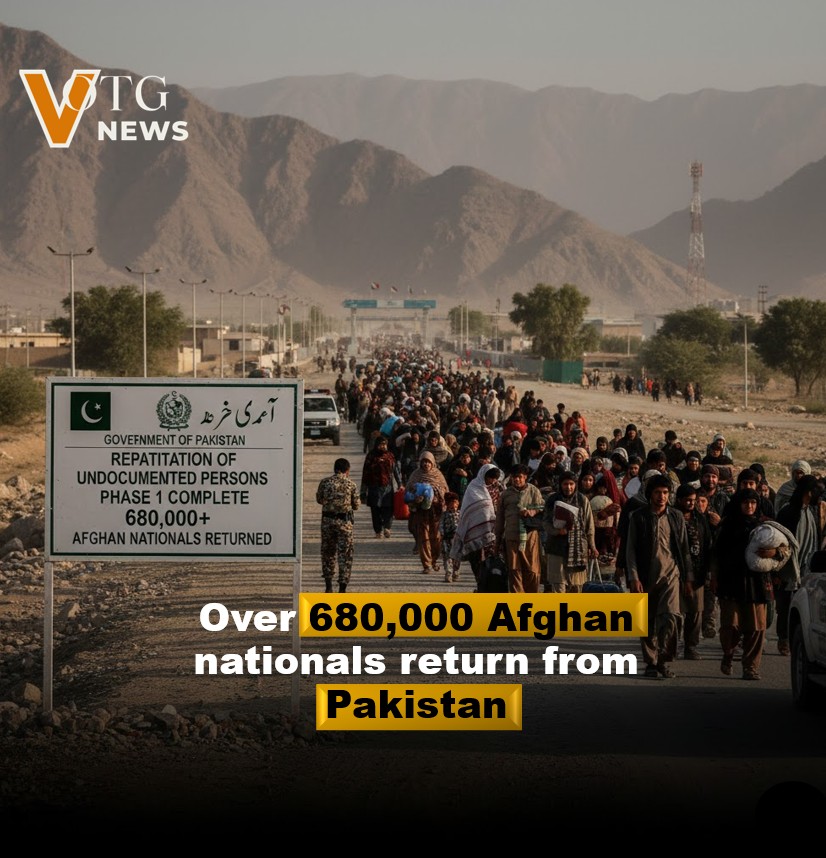
Pakistan has sent back more than 680,000 Afghan nationals as part of an ongoing repatriation campaign aimed at enforcing immigration regulations and addressing undocumented residency. The large-scale return marks one of the most significant population movements in the region in recent years and has drawn international attention.
1/6/20262 min read
Background of the Repatriation Drive
The repatriation initiative began in late 2023, when Pakistan announced stricter enforcement of its immigration laws under what it calls the Illegal Foreigners Repatriation Plan. The policy targets individuals living in the country without valid documentation, including those lacking Proof of Registration (PoR) cards or Afghan Citizen Cards (ACC).
Authorities initially encouraged voluntary returns by setting deadlines for undocumented residents to leave on their own. After those deadlines passed, enforcement measures were intensified, leading to increased deportations.
Scale and Process of Returns
According to official figures, more than 682,000 Afghans have now returned to Afghanistan. These returns have taken place through major border crossings such as Torkham in Khyber Pakhtunkhwa and Chaman in Balochistan. Some individuals returned voluntarily, while others were deported following identification and processing by authorities.
Pakistan has stated that the repatriation process is being carried out in phases and applies to foreign nationals who do not meet legal residency requirements.
Humanitarian and Regional Concerns
The mass return of Afghan nationals has raised concerns among humanitarian organizations and international observers. Afghanistan is already facing serious economic challenges, widespread poverty, and limited access to essential services. Aid agencies warn that the sudden influx of returnees could further strain resources and worsen living conditions for vulnerable families.
Many returnees have lived in Pakistan for decades, with some born and raised there. Human rights groups have highlighted the difficulties faced by families forced to rebuild their lives in unfamiliar or unstable conditions.
Pakistan’s Position
Pakistani officials maintain that the policy is a matter of national security and law enforcement, emphasizing that every country has the right to regulate immigration. The government has also stated that registered refugees with valid documentation are being treated separately from undocumented migrants.
Looking Ahead
As the repatriation drive continues, regional cooperation and international humanitarian support will play a crucial role in addressing the needs of returning Afghan families. Observers note that long-term solutions will require stability, economic opportunity, and sustained aid within Afghanistan to prevent further displacement.
Disclaimer: This update is shared based on publicly available information. VOTG News is not responsible for any decisions made based on this news. The image is AI-generated only for illustration