
Pakistan Spends Rs106 Billion on Chai — A Nation’s Favorite Cup Comes at a Cost
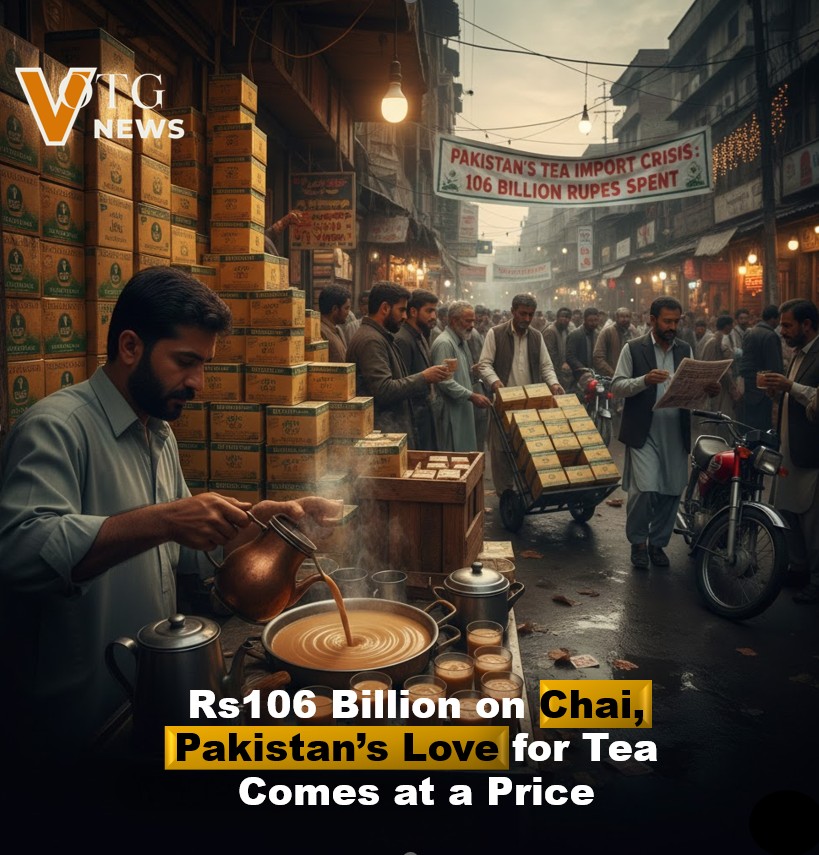
Tea isn’t just a beverage in Pakistan — it’s a ritual, a comfort, and a daily necessity. From roadside dhabas to corporate boardrooms, chai fuels conversations, hospitality, and long workdays. But recent reports reveal just how much this beloved drink is costing the country. According to official trade data, Pakistan spent approximately Rs106 billion on tea imports during the first seven months of the current fiscal year. The figure has sparked widespread discussion, especially at a time when the country is grappling with economic pressures and a widening trade deficit.
2/19/20261 min read
Why Is the Bill So High?
Pakistan is one of the largest tea-consuming nations in the world, yet it produces very little tea domestically. This means the majority of tea consumed across the country is imported. With global prices fluctuating and the Pakistani rupee facing depreciation, the import cost has risen significantly.
Tea is consumed multiple times a day in most households. It is served to guests as a symbol of hospitality and is often considered essential in both urban and rural homes. When multiplied across a population of over 240 million people, even modest daily consumption results in a substantial national expense.
The Bigger Economic Picture
The Rs106 billion tea import bill stands out because it contributes to Pakistan’s overall import burden. At a time when policymakers are encouraging reduced imports and increased exports, such figures highlight the challenge of balancing cultural habits with economic realities.
Food imports — including edible oil, pulses, and dairy products — also add to the trade deficit. However, tea has become a focal point of discussion because of its symbolic importance in everyday life.
Culture vs. Cost
For many Pakistanis, cutting down on chai is easier said than done. Tea is more than a drink — it’s part of social bonding, family time, and workplace breaks. Any conversation about reducing tea imports touches not only economics but lifestyle and tradition.
Some experts suggest exploring local tea cultivation in suitable regions to reduce reliance on imports. Others emphasize public awareness about mindful consumption.
Disclaimer: This update is shared based on publicly available information. VOTG News is not responsible for any decisions made based on this news. The image is AI-generated only for illustration