
Pakistan Turns to Electric Vehicles to Cut Fuel Imports
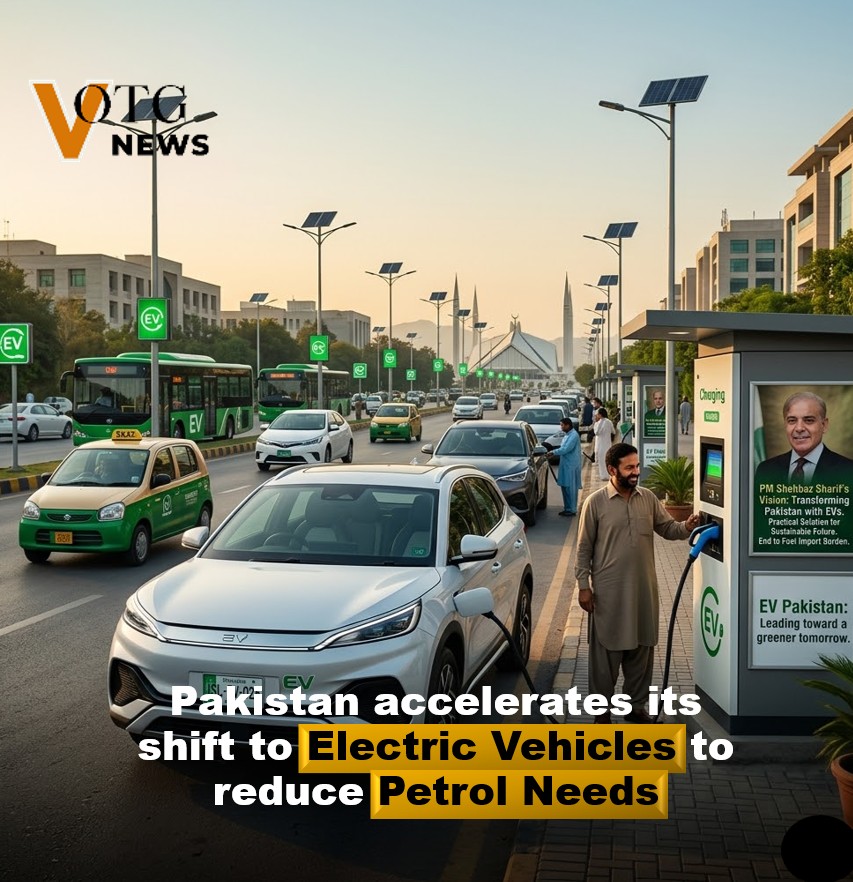
Pakistan is taking a decisive step toward a more sustainable and economically stable future by accelerating the adoption of electric vehicles (EVs). Prime Minister Shehbaz Sharif has highlighted EVs as a practical solution to one of the country’s most pressing challenges: the heavy burden of fuel imports.
4/7/20261 min read
A Shift Driven by Economic Reality
For years, Pakistan has relied heavily on imported petrol and diesel to keep its transport sector running. This dependence has placed immense pressure on foreign exchange reserves, especially during periods of rising global oil prices. The government now sees electric mobility as a way to break this cycle.
By replacing fuel-powered vehicles with battery-operated alternatives, Pakistan can significantly reduce its import bill while improving economic resilience.
Early Steps Toward Electrification
As part of this initiative, electric vehicles have already been introduced into public service. Islamabad’s traffic police, for example, have begun using EVs for patrol and operations. These vehicles run entirely on batteries, eliminating the need for fuel and reducing operational costs.
Beyond cost savings, EVs also offer practical benefits such as lower maintenance requirements and quieter operation, making them well-suited for urban environments.
Environmental and Social Benefits
The transition to electric mobility is not just about economics. EVs also contribute to cleaner air by reducing harmful emissions from traditional vehicles. In densely populated cities, this shift could play a major role in improving public health and overall quality of life.
Additionally, as EV adoption grows, it could open doors for new industries, including battery production, charging infrastructure, and green technology jobs.
Rising Interest Among Citizens
With fuel prices fluctuating and transportation costs increasing, many Pakistanis are already exploring electric alternatives—especially electric bikes and small vehicles. This growing interest suggests that the shift toward EVs is not only policy-driven but also supported by changing consumer preferences.
Looking Ahead
While challenges such as charging infrastructure and upfront costs remain, the long-term benefits of electric vehicles are becoming increasingly clear. With consistent policy support and investment, Pakistan has the opportunity to transform its transport sector into one that is both cost-efficient and environmentally friendly.
The push toward EVs marks an important step in reducing dependence on imported fuel and building a more sustainable future for the country.
Disclaimer: This update is shared based on publicly available information. VOTG News is not responsible for any decisions made based on this news. The image is AI-generated only for illustration