
Pakistan’s Big Maritime Vision: Energy City and New Ports Could Reshape Regional Trade
Pakistan is preparing for one of the country’s most ambitious coastal development plans in decades. The government has unveiled a proposal to establish a large-scale Maritime Energy City along with several new deep-sea ports aimed at strengthening trade, energy security, and regional connectivity. The initiative reflects Pakistan’s growing focus on transforming its coastline into an economic and logistics hub capable of serving both domestic needs and international markets.
5/8/20262 min read
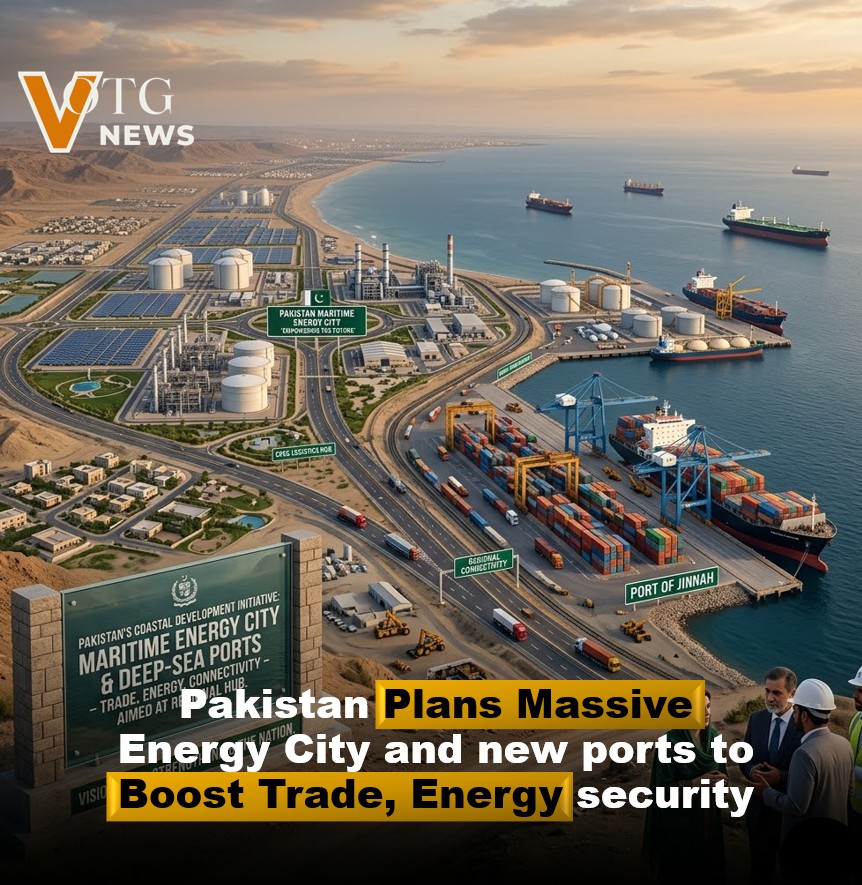
What Is the Maritime Energy City?
The proposed Maritime Energy City is designed to become a central hub for energy storage, shipping, and industrial activity. According to government officials, the project would include facilities for:
Oil storage terminals
LNG and LPG handling infrastructure
Fuel re-export operations
Maritime logistics and cargo services
Industrial support zones linked to port activity
The broader objective is to improve Pakistan’s energy resilience while creating new opportunities in trade and transportation.
Plans for New Deep-Sea Ports
Alongside the Energy City proposal, authorities are studying locations for three to four additional ports along Pakistan’s coastline. A special committee has reportedly been formed to evaluate suitable sites and prepare long-term development recommendations.
The new ports are expected to support:
Commercial shipping
Energy imports and exports
Industrial development
Regional transit trade
Future maritime industries
Officials describe the initiative as part of a larger long-term national maritime strategy extending well into the next century.
Why This Project Matters
Pakistan’s economy depends heavily on imported fuel and maritime trade routes. Recent global shipping disruptions and rising energy concerns have highlighted the importance of stronger storage capacity and modern port infrastructure.
If implemented successfully, the project could help Pakistan:
Improve energy security
Expand foreign investment opportunities
Create jobs in logistics and construction
Increase trade activity
Strengthen its position in regional shipping networks
The country’s coastline already hosts major facilities such as Karachi Port, Port Qasim, and Gwadar Port. The new proposal aims to build on this foundation and unlock further economic potential.
Challenges Ahead
Despite the optimism surrounding the announcement, the project remains in the planning stage. Final locations, financing details, and construction timelines have not yet been officially confirmed.
Large-scale infrastructure developments of this kind also come with challenges, including:
High investment costs
Infrastructure and security concerns
Regional competition from established Gulf ports
Long-term economic sustainability
The success of the initiative will likely depend on consistent policy planning, international partnerships, and strong investor confidence.
A Turning Point for Pakistan’s Coastline?
The Maritime Energy City and new port strategy could mark a significant shift in Pakistan’s economic direction. If the plans move from proposal to execution, the country may emerge as a more important player in regional energy trade and maritime logistics over the coming decades.
For now, the project represents a bold vision — one that could redefine how Pakistan uses its coastline to drive growth, connectivity, and strategic influence.
Disclaimer: This update is shared based on publicly available information. VOTG News is not responsible for any decisions made based on this news. The image is AI-generated only for illustration