
Pakistan’s First High-Speed Train: Rawalpindi to Lahore Project Explained
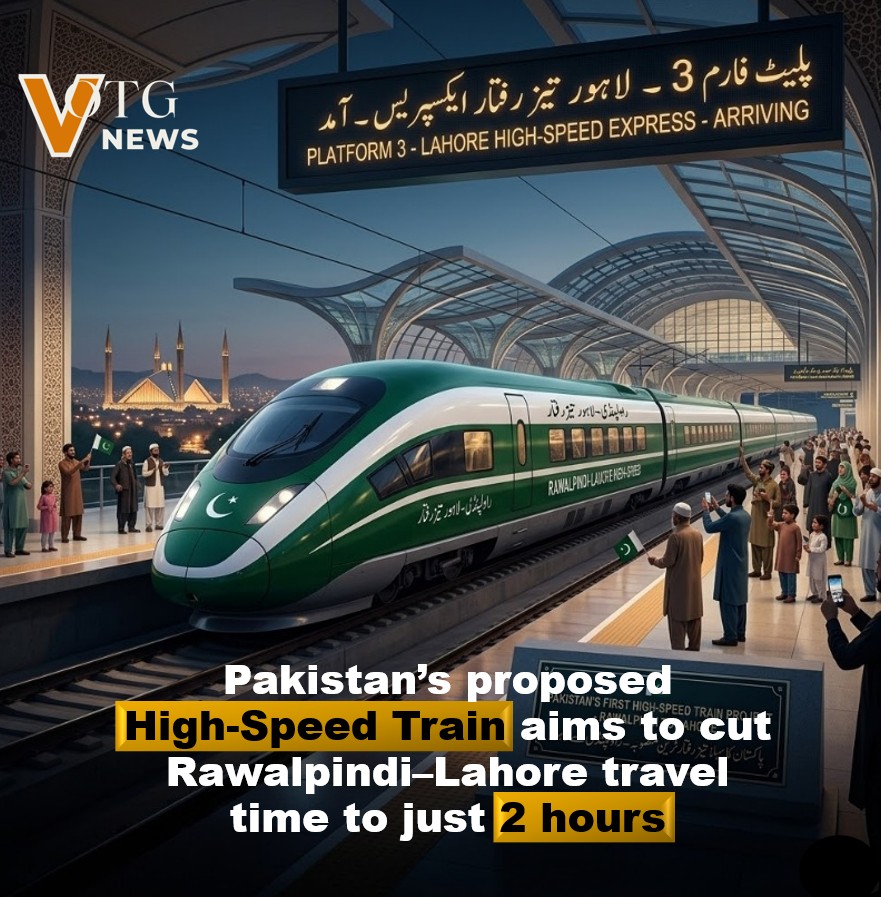
Pakistan is taking a major step toward modernizing its transportation system with the announcement of a proposed high-speed train between Rawalpindi and Lahore. The project, often referred to as the country’s first “bullet train,” has generated significant excitement among travelers, commuters, and industry observers.
4/16/20261 min read
A Vision for Faster Travel
The planned rail link aims to drastically reduce travel time between two of Punjab’s busiest cities. Currently, train journeys on this route typically take over four hours. With the proposed high-speed system, travel time could be cut down to approximately two to two and a half hours, depending on the final design and operating speed.
Early discussions suggest that trains on this route could reach speeds of up to 250 km/h, bringing Pakistan closer to the kind of rapid rail networks seen in countries like China and Japan.
Not Launched Yet — Still in Development
Despite the buzz, it’s important to clarify that the high-speed train has not been launched yet. As of now, the project remains in the planning and feasibility stage. Authorities are working on technical, financial, and logistical aspects before construction can begin.
This means passengers should not expect immediate service, but the proposal signals a strong commitment toward upgrading Pakistan’s rail infrastructure.
Current Rail Options
At present, conventional trains such as the Rawal Express continue to operate on the Rawalpindi–Lahore route. While improvements in railway tracks and systems are underway, existing services still take considerably longer than the proposed high-speed alternative.
What This Means for the Future
If successfully implemented, this project could:
Transform intercity travel in Punjab
Boost economic activity between major urban centers
Reduce road congestion and travel fatigue
Mark the beginning of high-speed rail development in Pakistan
Disclaimer: This update is shared based on publicly available information. VOTG News is not responsible for any decisions made based on this news. The image is AI-generated only for illustration