
Pakistan’s Growing Dependence on Coal Power Raises Environmental Concerns
Pakistan is increasingly relying on coal-fired power plants to meet its rising electricity demand, despite global efforts to move toward cleaner and renewable energy sources. The shift has sparked concerns among environmental experts, who warn that the country’s growing dependence on coal could worsen pollution levels, increase carbon emissions, and create long-term environmental challenges.
5/18/20261 min read
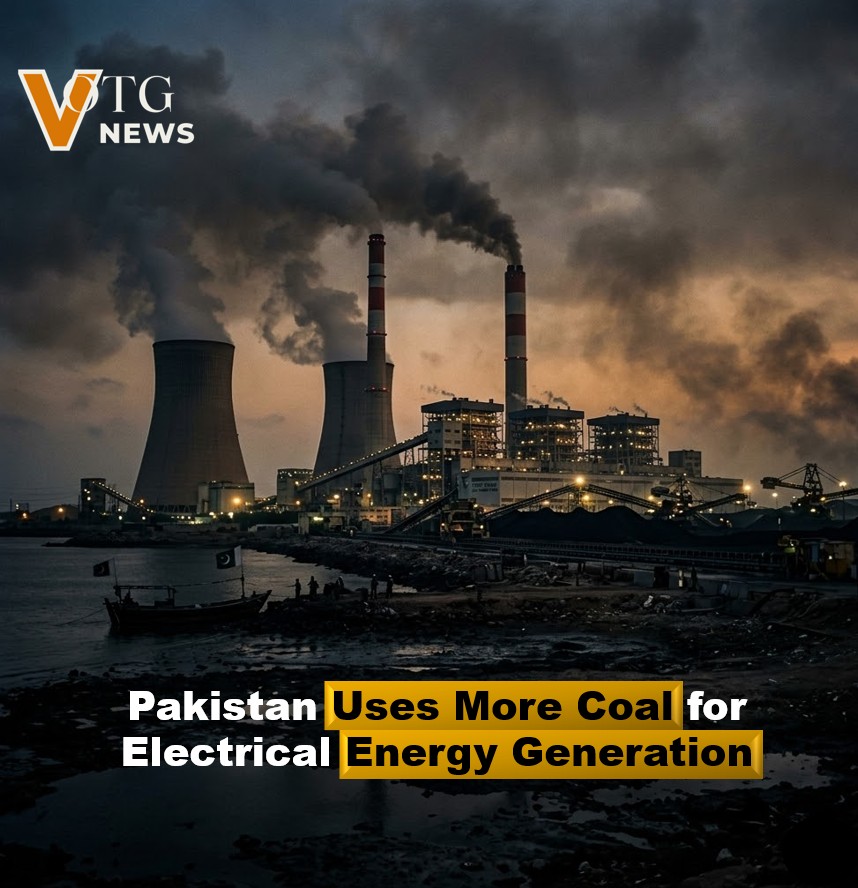
Pakistan’s energy sector is witnessing a noticeable rise in coal-based electricity generation as the country struggles to manage growing power consumption and recurring energy shortages. Over the past few years, coal has become a major contributor to the national power grid, with several large-scale power plants operating across different regions.
Experts say coal is being used because it provides relatively stable and affordable electricity compared to other energy sources. Imported and local coal projects, especially those linked with major infrastructure investments, have expanded rapidly to support industrial activity and urban energy needs.
However, environmental analysts warn that increased coal usage comes with serious consequences. Coal-fired plants release high levels of carbon dioxide and other harmful pollutants, contributing to air pollution and climate-related risks. Environmental groups argue that relying heavily on coal could place Pakistan among the countries with rising greenhouse gas emissions at a time when many nations are transitioning toward renewable energy such as solar, wind, and hydropower.
Energy specialists believe Pakistan faces a difficult balancing act between ensuring affordable electricity and protecting the environment. While coal currently helps stabilize the power supply, experts stress the need for long-term investment in sustainable energy infrastructure to reduce environmental damage and future economic risks.
The debate over coal energy continues as policymakers attempt to secure energy independence while also responding to increasing global pressure for cleaner and greener power generation systems.
Disclaimer: This update is shared based on publicly available information. VOTG News is not responsible for any decisions made based on this news. The image is AI-generated only for illustration