
Petrol Prices Increase in Pakistan — More Hikes May Be on the Way
Pakistan has recently experienced another increase in petrol prices, adding further financial pressure on citizens already coping with rising living expenses. Fuel price adjustments are reviewed regularly, and the latest update reflects both international oil market trends and the country’s economic policies.
3/6/20262 min read
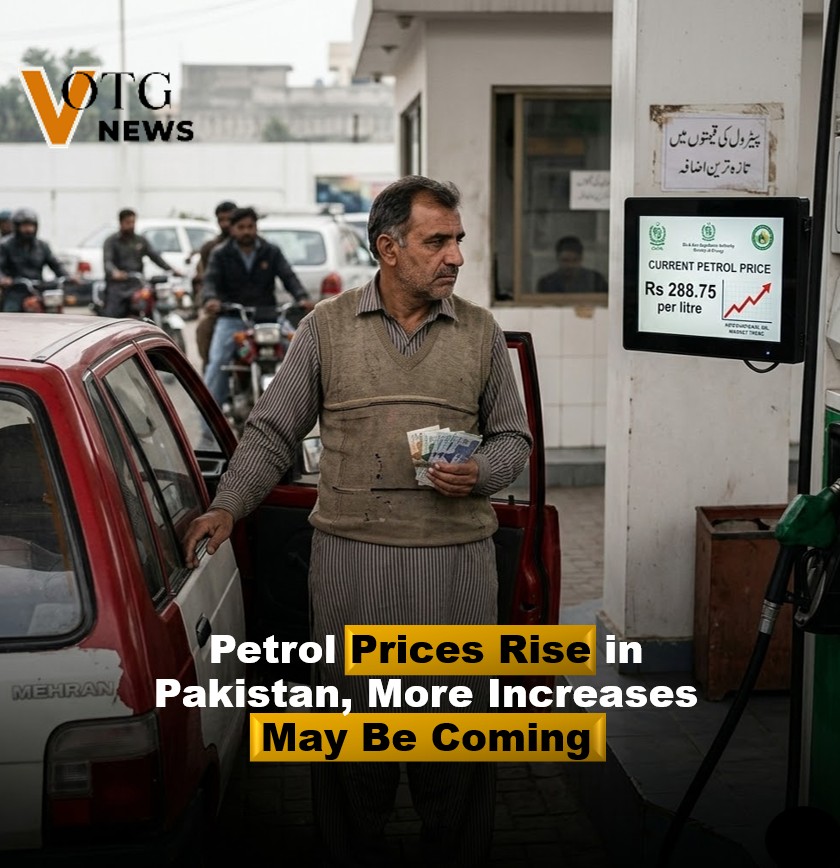
Latest Petrol Price Update
The Government of Pakistan has raised the price of petrol by Rs 8 per litre, bringing the new price to around Rs 266 per litre. At the same time, high-speed diesel (HSD) has also become more expensive, with an increase of about Rs 5 per litre, taking its price to nearly Rs 281 per litre.
These updated rates came into effect on March 1, 2026, following the government’s fortnightly fuel price review.
Why Petrol Prices Are Rising
There are several reasons behind the latest increase in fuel prices:
1. Global Oil Price Changes
Pakistan imports a large portion of its petroleum products. When international crude oil prices rise, the cost of importing fuel also increases, which directly affects local petrol prices.
2. Economic Reforms and IMF Commitments
Pakistan is currently working with the International Monetary Fund to stabilize its economy. Under these agreements, the government is expected to adjust fuel prices according to global market rates rather than maintaining long-term subsidies.
3. Middle East Tensions Affecting Supply
Geopolitical tensions in oil-producing regions can influence global energy markets. Concerns about shipping routes such as the Strait of Hormuz have raised fears of supply disruptions, which can drive oil prices higher worldwide.
Possibility of Further Price Increases
Energy market observers believe petrol prices in Pakistan could increase further in upcoming reviews if global oil prices remain unstable. Some estimates suggest that petrol prices might rise between Rs 25 and Rs 30 per litre if international market pressures continue.
Impact on the Public
Fuel price increases often lead to higher transportation costs, which can affect the prices of everyday goods and services. Public transport fares, delivery charges, and overall inflation may rise as a result.
For many households, this means adjusting budgets and preparing for potential increases in daily expenses.
Conclusion
The recent petrol price increase highlights how global economic conditions directly influence local fuel costs in Pakistan. As the country continues to navigate economic reforms and international market fluctuations, further price changes may occur in the coming weeks.
Disclaimer: This update is shared based on publicly available information. VOTG News is not responsible for any decisions made based on this news. The image is AI-generated only for illustration