
Petrol Prices on the Rise Again: What You Need to Know
Global fuel markets are on edge once again, as petrol prices show signs of rising due to geopolitical tensions and supply uncertainties. Consumers worldwide are already feeling the pinch, and many countries may see further increases in the coming weeks.
3/12/20261 min read
Global Fuel Market Update
In the United States, average gasoline prices have climbed above $3.50 per gallon, reaching their highest levels in nearly two years. Analysts warn that prices could continue to rise as the conflict in the Middle East, particularly involving Iran, threatens global oil supply.
Europe is experiencing similar pressure. Drivers across the continent may face an extra €220 in annual fuel costs due to elevated crude oil prices, which hover around $100 per barrel. Disruptions in key shipping routes, including the Strait of Hormuz, have further intensified the situation, affecting both fuel supply and transportation costs.
Pakistan’s Recent Hike
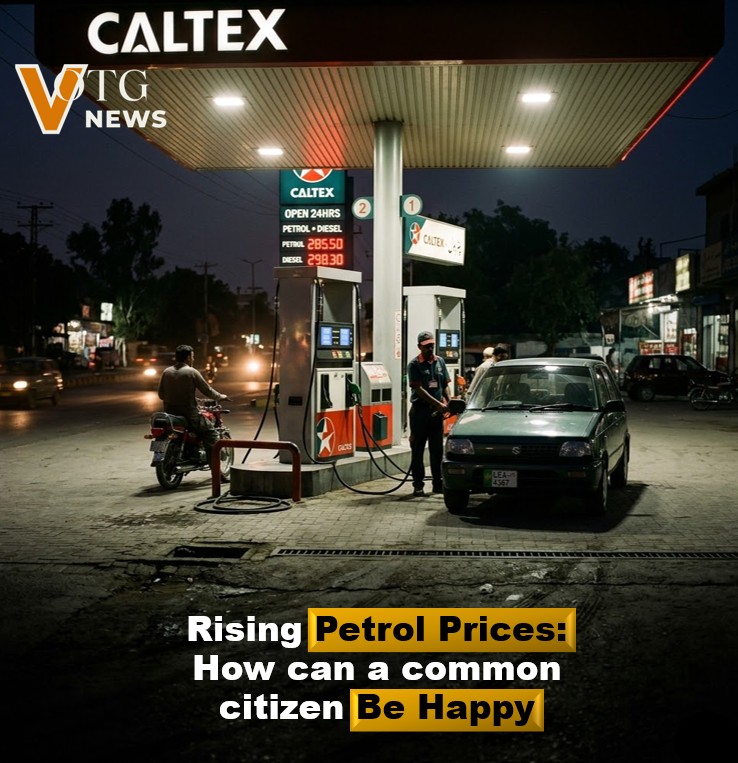
Locally, Pakistan has seen one of its steepest petrol price increases in recent history, with prices rising by PKR 55 per litre amid soaring international oil costs. While the government has indicated plans to absorb some future price shocks to protect consumers, uncertainty remains due to the volatile global oil market.
Why Prices May Continue to Rise
Several factors are driving these potential price increases:
Geopolitical tensions: Escalating conflicts in the Middle East are disrupting crude oil supply routes.
High crude oil prices: Persistent oil benchmarks above $100 per barrel feed directly into pump prices.
Economic pressures: Rising fuel costs contribute to broader inflation, affecting everyday living expenses.
What This Means for Consumers
For the everyday driver, these trends suggest that petrol prices could continue climbing in the near term. While short-term relief is sometimes possible through government subsidies or temporary adjustments, long-term trends will largely depend on global supply stability and geopolitical developments.
Consumers should stay informed about updates from their local fuel authorities and plan accordingly for household budgets and transportation costs.
Disclaimer: This update is shared based on publicly available information. VOTG News is not responsible for any decisions made based on this news. The image is AI-generated only for illustration