
Punjab Launches Electric Taxi Scheme with 30% Quota for Women
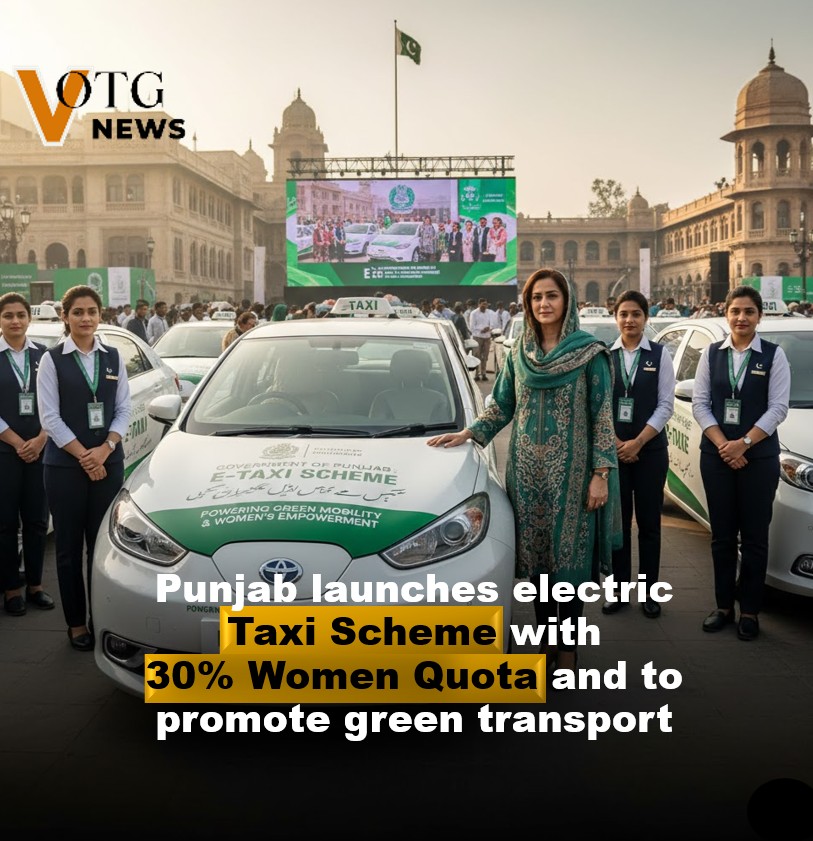
In a major step toward green mobility and women’s economic empowerment, the Government of Punjab has launched an electric taxi (e-Taxi) scheme, marking a first-of-its-kind initiative in Pakistan. The project was formally inaugurated by Chief Minister Maryam Nawaz in Lahore, setting the stage for a cleaner, more inclusive transport system across the province.
2/26/20261 min read
Key Highlights of the Scheme
1,100 electric taxis will be distributed in the first phase.
30% of the vehicles are reserved for women drivers, promoting greater female participation in the transport sector.
The government will subsidize a significant portion of the down payment:
60% subsidy for women
50% subsidy for men
Registration fees and certain taxes will be covered.
Beneficiaries can pay the remaining cost through easy installment plans.
Empowering Women Through Mobility
The 30% quota is a central feature of the initiative. By allocating nearly one-third of the vehicles to women, the government aims to create new income opportunities, especially for women seeking financial independence, including single mothers and primary breadwinners.
Officials describe the program as more than a transport reform — it is a socioeconomic intervention designed to break barriers in a traditionally male-dominated industry.
Promoting Green Transport in Punjab
Beyond employment, the initiative reflects a broader commitment to environmentally friendly policies in Punjab. Electric vehicles are expected to reduce carbon emissions, lower fuel dependency, and improve urban air quality.
The government has also indicated that this is just the beginning, with plans to expand green public transport options in other districts in the near future.
A Step Toward a Sustainable and Inclusive Future
The launch of the e-Taxi scheme signals a progressive shift in public policy — combining climate responsibility with economic inclusion. If successfully implemented, it could serve as a model for other provinces looking to modernize transport while empowering marginalized communities.
Disclaimer: This update is shared based on publicly available information. VOTG News is not responsible for any decisions made based on this news. The image is AI-generated only for illustration