
Punjab Rolls Out AI System to Detect Open Manholes and Urban Hazards
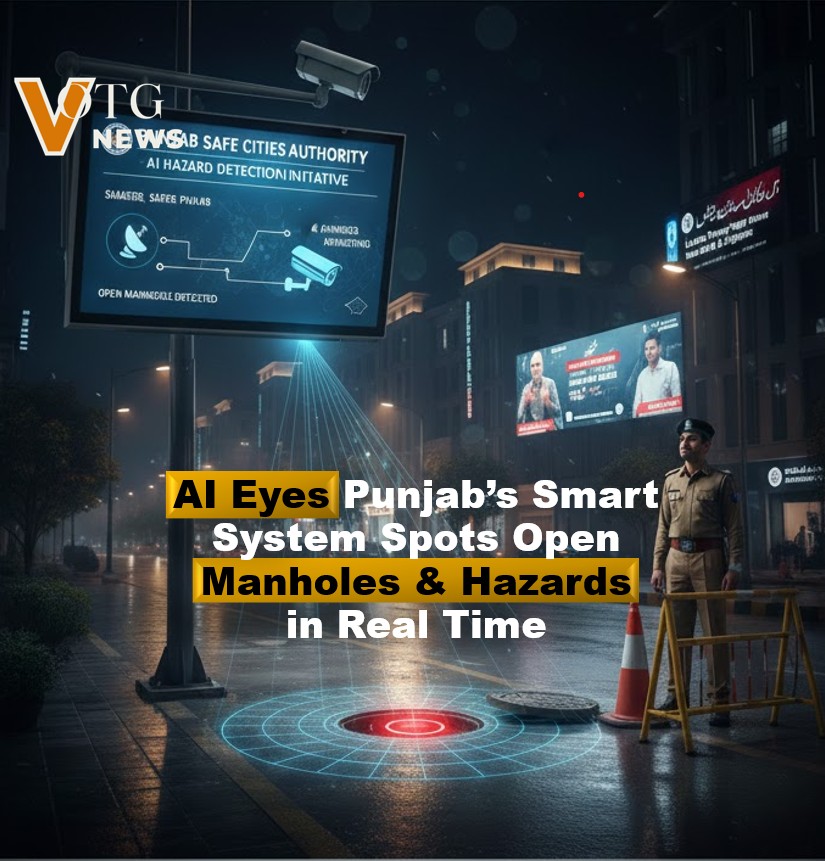
Punjab has announced a major step toward smarter, safer cities with the launch of an AI-powered monitoring system designed to automatically detect open manholes and other dangerous public-space hazards. The initiative—developed by the Punjab Safe Cities Authority (PSCA)—comes in the wake of a tragic incident in Lodhran, where a young child lost his life after falling into an uncovered manhole.
12/10/20252 min read
A Smarter Way to Spot Hazards
The “Talk to Camera” platform is built to analyze live CCTV feeds across Punjab’s Safe City network. Instead of relying solely on manual monitoring, the system uses artificial intelligence to identify:
Open or missing manhole covers
Overflowing trash bins
Smoke, fire or similar environmental threats
Other infrastructure issues visible on camera
If a hazard is detected, the system automatically flags it to the relevant authorities so they can respond quickly—ideally before anyone gets hurt.
One standout feature is its natural-language interface, which allows operators to literally ask the system questions like:
“Show me all open manholes in Lahore.”
“Are there any hazards near major intersections today?”
This makes navigating hundreds of camera feeds significantly easier and improves real-time situational awareness.
Pilot Success and Province-Wide Expansion
The AI tool was initially tested in Lahore and Sheikhupura, where officials reported strong results. Successful trials led the provincial government to greenlight expansion across Punjab.
Alongside the deployment, the government has directed municipal agencies—particularly WASA and local development authorities—to enforce strict safety measures and ensure that manholes remain covered. Officials have also hinted at disciplinary action for negligence.
Why This Matters
Urban hazards such as open manholes have long posed risks in Pakistan’s cities, especially during rains or in areas with heavy foot traffic. The Lodhran tragedy intensified public demand for better oversight.
This AI-assisted approach brings several advantages:
Faster Response
Automated alerts shorten the time between a hazard appearing and officials finding out about it.
Reduced Manual Burden
Instead of scanning feeds all day, operators can rely on AI to highlight potential dangers.
Improved Prevention
Catching hazards early reduces the likelihood of injuries, accidents, and infrastructure damage.
Smarter City Management
“Talk to Camera” is part of a broader push toward digital governance and safer public environments.
Challenges Ahead
While the system is promising, some questions remain:
Coverage gaps: AI can only monitor areas where cameras already exist. Rural and semi-urban regions may still lack surveillance infrastructure.
Implementation speed: Detecting hazards is one thing—quickly fixing them is another. Government departments must maintain rapid response mechanisms.
Privacy considerations: As with any large-scale surveillance system, public trust will hinge on transparent usage and strong data-protection practices.
A Step Toward Safer Streets
Punjab’s adoption of an AI hazard-detection system marks a significant leap toward modern, proactive urban safety management. If executed well, this approach could reduce accidents, save lives, and set a new standard for how cities across the region use technology to protect citizens.
As the system rolls out province-wide, all eyes will be on how effectively it identifies hazards—and how quickly authorities act on them.
Disclaimer: This update is shared based on publicly available information. VOTG News is not responsible for any decisions made based on this news. The image is AI-generated only for illustration