
Rising Tensions in the Strait of Hormuz — What It Means for the World
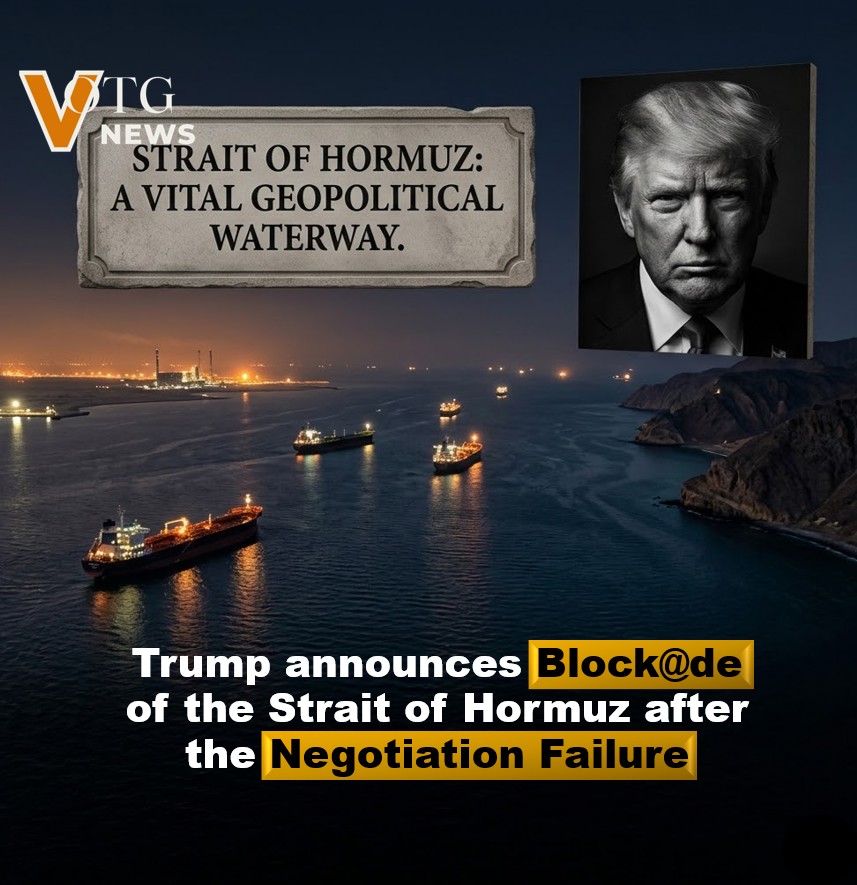
Global tensions have taken a sharp turn following a major announcement by Donald Trump regarding military action in one of the world’s most strategically critical waterways—the Strait of Hormuz.
4/12/20261 min read
A Sudden Escalation
In a move that has sent shockwaves through international markets and political circles, Trump declared that the United States would initiate a naval blockade in the region. The directive reportedly involves stopping and inspecting vessels moving through the strait, with a focus on countering actions attributed to Iran.
This announcement comes after diplomatic efforts between Washington and Tehran broke down, raising fears that the situation could spiral into a broader conflict.
Why the Strait of Hormuz Matters
The Strait of Hormuz is not just another shipping lane—it is a lifeline for the global energy supply. A significant portion of the world’s oil passes through this narrow corridor every day. Any disruption here can ripple across continents, affecting fuel prices, trade stability, and economic growth.
Even minor tensions in the region have historically led to spikes in oil prices. A full-scale blockade, therefore, represents a serious risk to global markets.
Global Reactions Are Divided
The international response has been mixed. While some voices in the United States support a tougher stance, key allies such as the United Kingdom have expressed reluctance to get involved in a blockade. This lack of unified backing highlights growing divisions among Western nations on how to approach the crisis.
Meanwhile, analysts warn that any direct confrontation with Iran could escalate quickly, given the strategic and military sensitivities of the region.
What This Means for the World
The implications of this development are far-reaching:
Rising Energy Costs: Oil prices are already reacting, and further increases could impact everyday consumers worldwide.
Economic Uncertainty: Markets tend to react negatively to geopolitical instability, and prolonged tension could slow global growth.
Security Risks: The possibility of military escalation raises concerns not only for the Middle East but for global peace and security.
Countries that rely heavily on imported energy—including many in South Asia—may feel the effects most strongly.
Disclaimer: This update is shared based on publicly available information. VOTG News is not responsible for any decisions made based on this news. The image is AI-generated only for illustration