
Scientists Report Breakthrough in Reversing Type 1 and Type 2 Diabetes
In a development that could reshape the future of diabetes treatment, researchers in China have reported early success in reversing both type 1 and type 2 diabetes using advanced stem cell therapy. While the findings are still in early stages, they offer new hope for millions of people worldwide living with the condition.
2/26/20262 min read
What Did the Scientists Do?
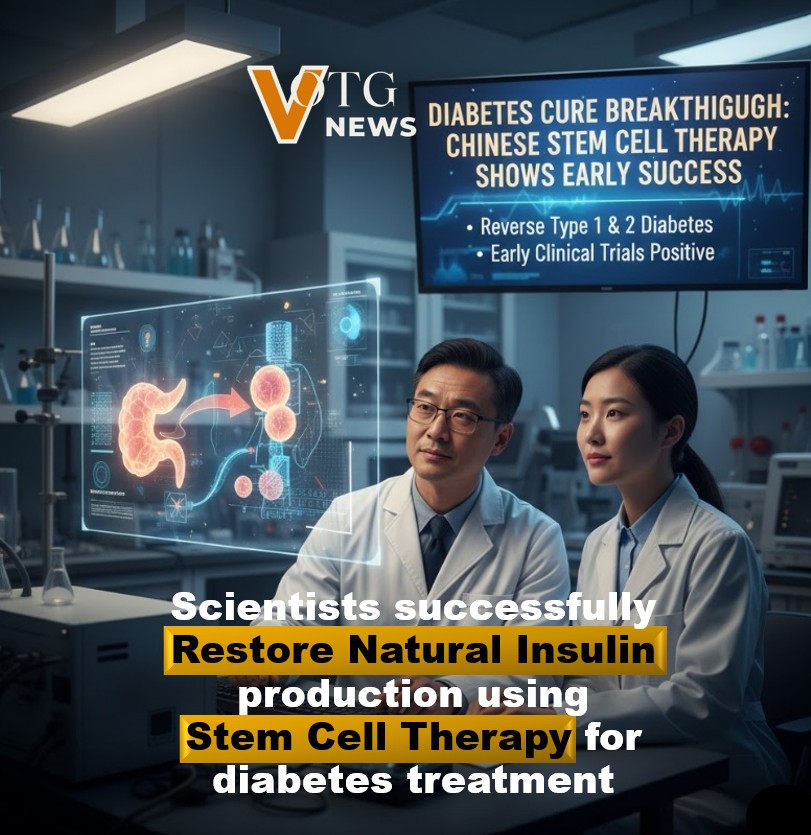
The research team used stem cell technology to create insulin-producing pancreatic islet cells in a laboratory. These cells were then transplanted into patients with diabetes.
In reported cases, patients who previously relied on daily insulin injections were able to produce their own insulin again after treatment. This allowed their bodies to regulate blood sugar levels naturally — something that people with diabetes typically cannot do effectively.
For individuals with type 1 diabetes, where the immune system destroys insulin-producing cells, scientists worked on generating new functional cells to replace the damaged ones. In type 2 diabetes, where the body becomes resistant to insulin or does not produce enough of it, the therapy aimed to restore proper insulin production and regulation.
Why This Matters
Diabetes affects hundreds of millions of people globally.
Type 1 diabetes is an autoimmune condition that requires lifelong insulin therapy.
Type 2 diabetes is often linked to insulin resistance and can require medications, insulin, and significant lifestyle management.
If stem cell–based treatments can reliably restore natural insulin production, it could dramatically reduce the need for daily injections, continuous glucose monitoring, and long-term medication use.
Is This a Cure?
It’s important to understand that these results are still early. The reported successes involve a very small number of patients. Larger clinical trials are needed to confirm:
Long-term safety
Effectiveness across diverse patient groups
Whether the treatment works permanently
Accessibility and cost considerations
At this stage, experts consider the therapy highly promising — but not yet a widely available cure.
What Happens Next?
The next step involves expanded clinical trials to test the therapy in more patients over longer periods. Researchers will also need to determine how to scale production of lab-grown cells safely and affordably.
If future trials confirm these early findings, stem cell therapy could represent one of the most significant advances in diabetes care in decades.
A New Era in Diabetes Research?
While it’s too soon to celebrate a definitive cure, this breakthrough marks an exciting moment in medical science. For people living with diabetes and their families, it signals that innovative solutions are moving closer to reality.
Disclaimer: This update is shared based on publicly available information. VOTG News is not responsible for any decisions made based on this news. The image is AI-generated only for illustration