
Solar Panel Prices Surge in 2026: What’s Driving the Massive Increase?
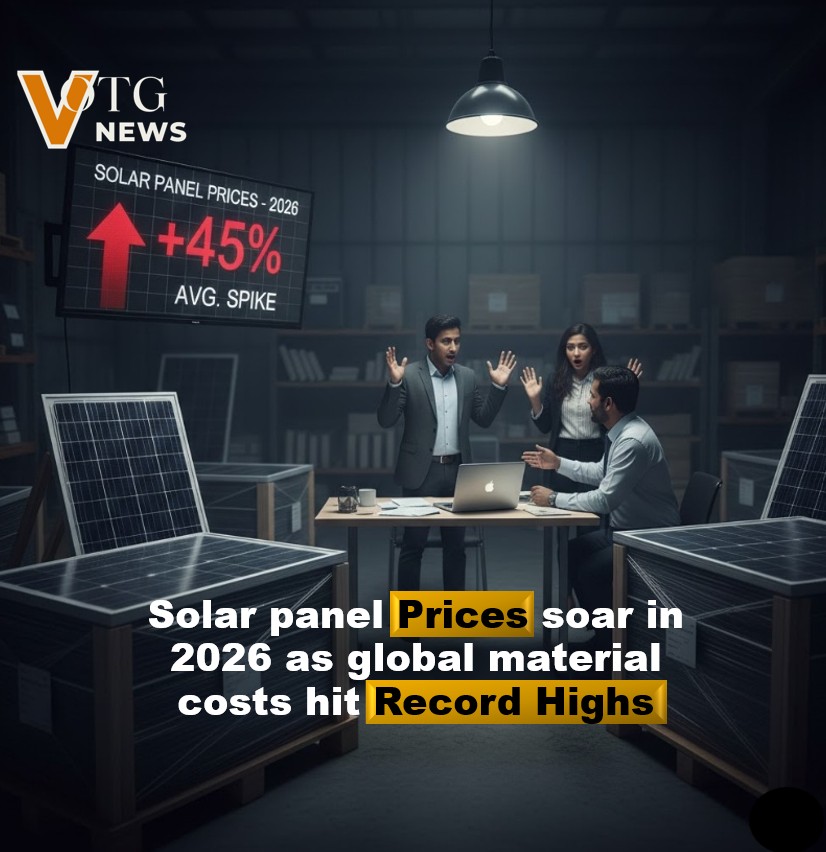
For years, solar energy was celebrated for becoming cheaper and more accessible. However, 2026 has marked a turning point. Across several global markets — particularly in countries dependent on imports — solar panel prices have risen sharply, surprising consumers, installers, and investors alike.
1/18/20262 min read
A Sudden Shift After Years of Decline
Until recently, solar panel prices followed a steady downward trend due to mass production, technological improvements, and intense competition among manufacturers. That trend has now reversed. In many markets, prices have climbed noticeably compared to late 2025, with some high-capacity panels seeing the steepest increases.
In Pakistan, for example, commonly used imported panels from China have become significantly more expensive within just a few months. Retailers report increases of several thousand rupees per panel, making residential and commercial solar installations more costly upfront.
The Real Reasons Behind the Price Hike
The surge in prices is not random. Several global factors are converging at the same time:
1. Rising Raw Material Costs
Solar panels rely heavily on materials like silver, copper, and aluminum. In 2026, silver prices have reached multi-year highs, dramatically increasing manufacturing costs for photovoltaic (PV) cells. Since silver is essential for electrical conductivity in panels, manufacturers have little choice but to pass these costs on to buyers.
2. Supply Chain Adjustments
After years of overproduction, manufacturers are cutting back output to stabilize profits. This tightening of supply, combined with steady demand, is pushing prices upward.
3. Changes in Export and Tax Policies
China, the world’s largest solar panel producer, has adjusted export incentives and tax structures. These policy changes have had a ripple effect, increasing the landed cost of panels in importing countries.
4. Higher Transportation and Energy Costs
Global shipping, fuel prices, and energy costs remain elevated compared to pre-pandemic levels, adding further pressure to manufacturing and distribution expenses.
What This Means for Consumers and Businesses
For homeowners and businesses planning to switch to solar, the higher prices may slightly extend the payback period of installations. However, solar energy often remains a smart long-term investment, especially in regions facing rising electricity tariffs and unreliable grid supply.
Industry experts suggest that while prices may remain elevated in the short term, innovation and alternative materials could help stabilize costs in the future.
Should You Delay Going Solar?
Despite the price surge, solar power continues to offer long-term savings and energy independence. Those considering installation may benefit from acting sooner rather than later, as further material cost increases could push prices even higher.
Disclaimer: This update is shared based on publicly available information. VOTG News is not responsible for any decisions made based on this news. The image is AI-generated only for illustration