
Starlink Internet Is Reportedly Free in Iran: What We Know So Far
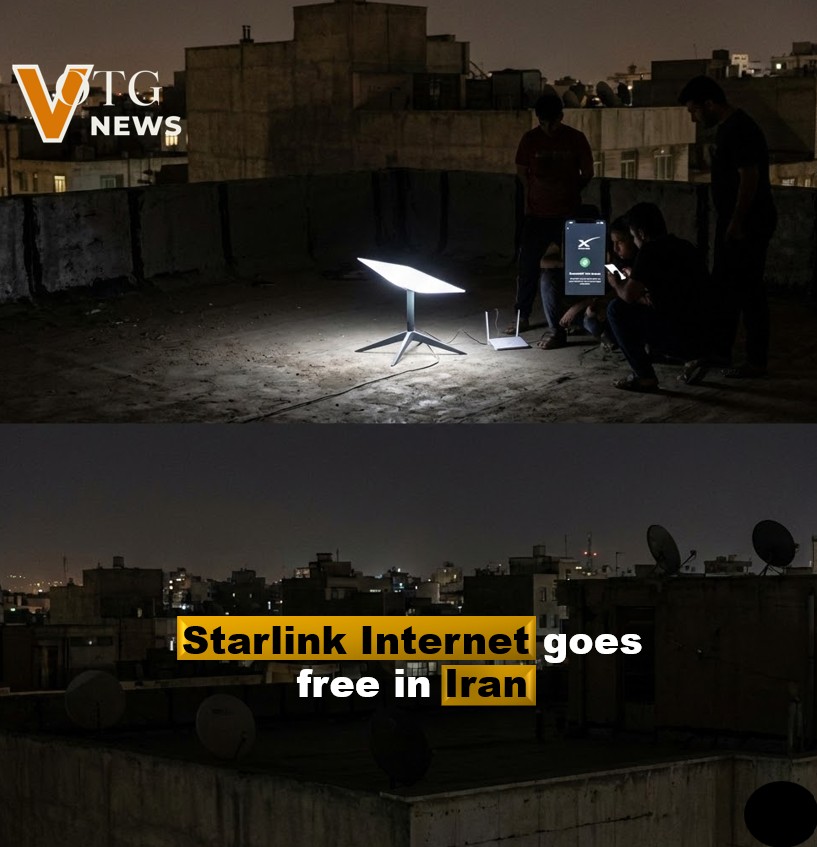
Amid one of the most severe internet blackouts Iran has experienced in years, reports have emerged that Starlink, the satellite internet service operated by SpaceX, is providing free access inside Iran. The move, if sustained, could have significant implications for communication, information flow, and digital freedom during a time of heightened restrictions.
1/14/20262 min read
Internet Blackout and the Search for Connectivity
Since early January 2026, large parts of Iran have faced widespread internet disruptions. Authorities have limited or shut down access to mobile data, broadband connections, and international websites, leaving millions disconnected from the global internet. These blackouts are widely seen as an attempt to control information during a period of unrest and protests.
In this environment, satellite-based internet services like Starlink have become one of the few remaining ways to bypass terrestrial infrastructure controlled by the state.
What “Free Starlink” Means in Practice
According to multiple media outlets and activist networks, Starlink has temporarily waived subscription fees for users inside Iran who already have Starlink terminals. Inactive accounts reportedly became active again without payment, allowing users to connect despite the national shutdown.
It is important to note what this does—and does not—mean:
The service is not accessible without Starlink hardware (the satellite dish and terminal).
Regular smartphones and laptops cannot connect directly without this equipment.
The reports primarily involve existing terminals already smuggled or brought into the country.
While SpaceX has not released a formal public announcement confirming the policy, similar actions have been taken before in crisis situations, including during conflicts and natural disasters in other regions.
Government Pushback and Technical Challenges
Iranian authorities have not ignored Starlink’s presence. There are ongoing efforts to jam satellite signals, locate terminals, and restrict usage, making access unreliable or risky in some areas. In addition to technical interference, possession or use of unauthorized satellite equipment can carry serious legal consequences for individuals inside Iran.
As a result, while Starlink offers a powerful tool for connectivity, its use remains uneven and often clandestine.
Why This Matters
For journalists, activists, businesses, and ordinary citizens, internet access is more than convenience—it is a lifeline. Satellite connectivity allows people to:
Communicate with the outside world
Share images, videos, and eyewitness reports
Access uncensored news and information
Maintain contact with family members abroad
Even limited access can weaken the effectiveness of information blackouts and help preserve a flow of independent reporting.
A Rapidly Evolving Situation
The situation remains fluid. Free access could be temporary, selectively available, or disrupted at any time due to technical countermeasures. Without an official statement from SpaceX, details may continue to change.
What is clear, however, is that satellite internet is playing an increasingly central role in global information access, especially in countries where traditional networks can be shut down with the flip of a switch.
Final Thoughts
If confirmed and sustained, free Starlink access in Iran represents more than a technical workaround—it highlights the growing tension between state-controlled networks and decentralized global connectivity. As governments seek tighter control over information, satellite internet may continue to emerge as one of the most powerful tools for keeping people connected.
Disclaimer: This update is shared based on publicly available information. VOTG News is not responsible for any decisions made based on this news. The image is AI-generated only for illustration