
When Watchdogs Fall: Corruption Cases Inside Pakistan’s Anti-Corruption System
Corruption is often described as a disease that weakens institutions from within. But what happens when those tasked with fighting corruption are themselves accused of the same wrongdoing? Recent developments across Pakistan highlight a troubling yet important reality: accountability is being enforced—but not without exposing deep systemic flaws.
5/6/20261 min read
Across multiple regions in 2026, several cases have surfaced involving public officials caught accepting bribes, misusing authority, or embezzling public resources. These incidents are not isolated—they reflect both a persistent problem and an ongoing effort to address it.
In Punjab’s Sahiwal district, a police sub-inspector was arrested after allegedly accepting a bribe of Rs30,000 from a citizen. In another crackdown in Multan, authorities detained multiple officials linked to corruption cases involving public funds and misuse of government resources. These arrests were part of a broader push to curb everyday corruption at administrative levels.
Meanwhile, in Balochistan, a high-value case drew attention when a forest department official and a contractor were taken into custody over alleged corruption involving hundreds of millions of rupees tied to development projects. Such large-scale cases highlight how corruption can extend beyond petty bribery into major financial misconduct affecting public infrastructure and services.
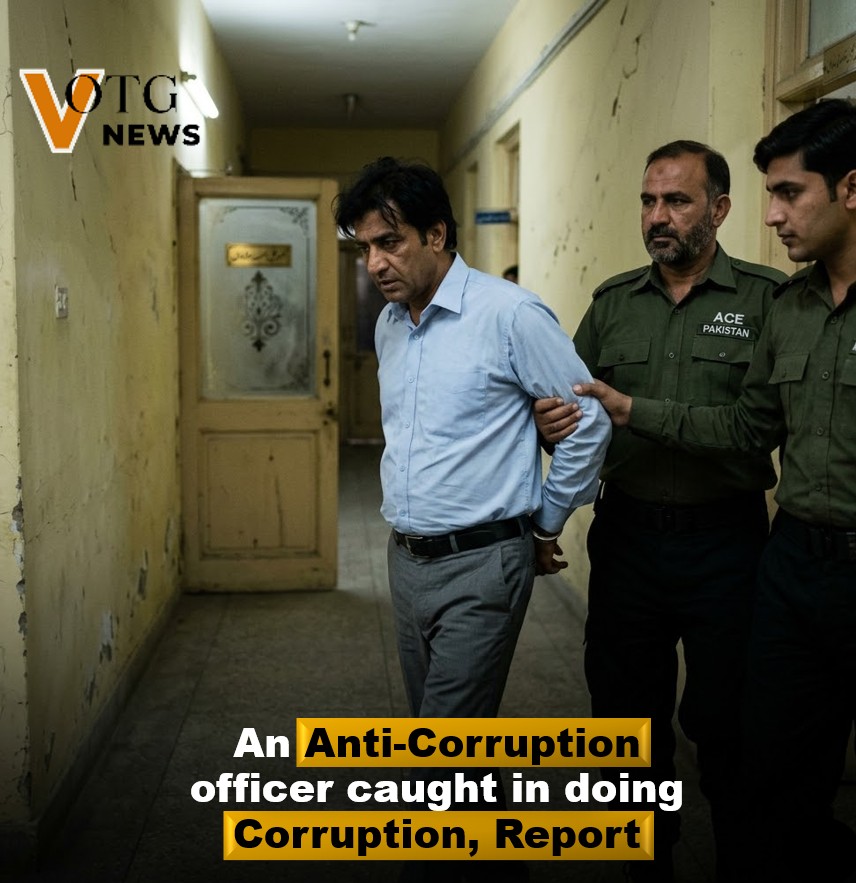
Even more concerning are reports of corruption within anti-corruption and investigative bodies themselves. A recent scandal involving officials from a cybercrime investigation agency revealed allegations of organized bribery networks and protection of illegal operations. This case raised serious questions about internal oversight and the vulnerability of accountability institutions.
Despite these challenges, there is a critical takeaway: action is being taken. Arrests, investigations, and public exposure of such cases indicate that mechanisms of accountability are active. However, enforcement alone is not enough. Sustainable reform requires transparency, institutional checks, and a culture that discourages corruption at every level.
The paradox of “corruption within anti-corruption” systems serves as both a warning and an opportunity. It underscores the need for stronger internal monitoring while reinforcing the importance of holding everyone—regardless of position—accountable under the law.
In the end, the fight against corruption is not just about catching offenders. It is about building institutions that are resilient, trustworthy, and resistant to the very practices they are meant to eliminate.
Disclaimer: This update is shared based on publicly available information. VOTG News is not responsible for any decisions made based on this news. The image is AI-generated only for illustration