
Why the Iranian Rial Is Suddenly in Demand in Pakistan
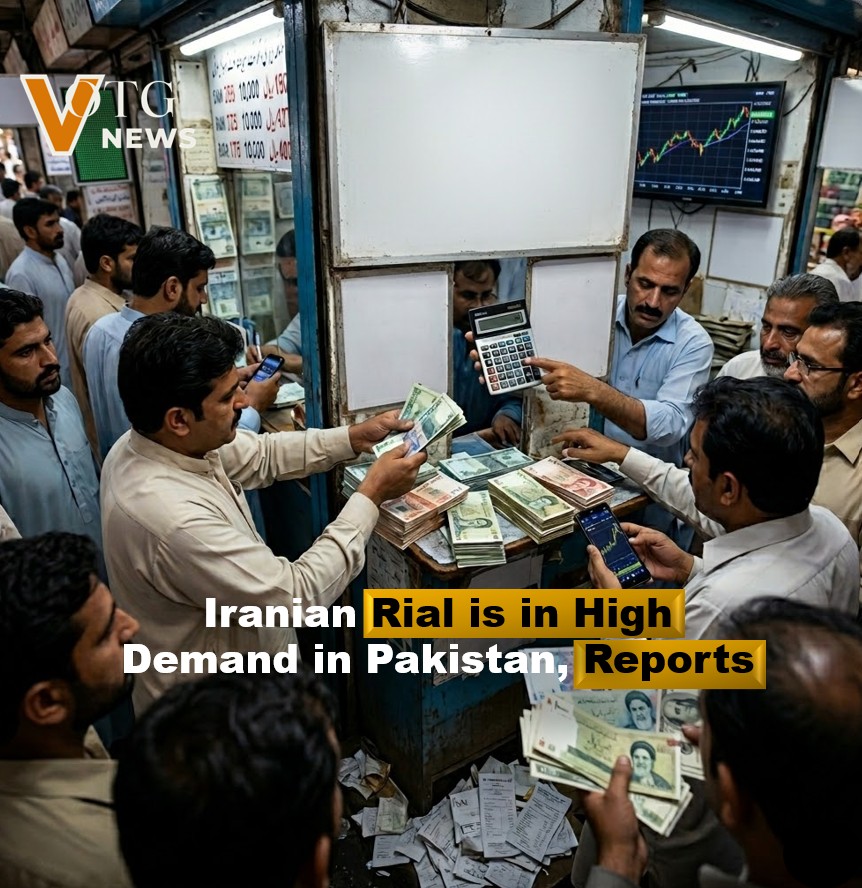
In a surprising turn of events, the Iranian rial has become one of the most talked-about currencies in Pakistan’s open market. Over the past few weeks, demand has surged dramatically—catching the attention of traders, analysts, and everyday buyers alike.
4/12/20261 min read
A Rapid and Unusual Rise
Currency dealers across Pakistan have reported a sharp increase in both demand and price for the Iranian rial. In some cases, its value in the informal market has multiplied several times within a short period.
Such a rapid jump is unusual, especially for a currency that has historically faced volatility and depreciation on the global stage. This has led many to question what’s behind the sudden momentum.
Key Factors Behind the Surge
1. Speculative Buying
The primary driver appears to be speculation. Many buyers are purchasing rial with the expectation that prices will continue to rise, allowing them to sell later at a profit. This kind of activity often creates a short-term spike in demand, even without strong economic fundamentals.
2. Growing Cross-Border Trade
Pakistan and Iran share a long border, and trade between the two countries—particularly in fuel and local goods—has been increasing. As trade activity grows, so does the need for local currencies, including the rial.
3. Regional Tensions
Ongoing geopolitical tensions in the Middle East have added uncertainty to financial markets. These conditions sometimes push traders to explore alternative opportunities, including less commonly traded currencies.
4. Informal Market Dynamics
Currency exchange in informal or grey markets can behave differently from official channels. Price gaps and arbitrage opportunities often attract short-term traders looking to capitalize on quick gains.
A Note of Caution
Despite the current surge, it’s important to understand that the Iranian rial remains a highly volatile currency. Its recent rise in Pakistan does not necessarily reflect long-term economic strength.
Market experts caution that such spikes are often short-lived and driven by sentiment rather than stability. Anyone considering buying into this trend should be aware of the risks involved.
Disclaimer: This update is shared based on publicly available information. VOTG News is not responsible for any decisions made based on this news. The image is AI-generated only for illustration