
Wildfires Ravage Argentina’s Patagonia: What’s Happening and Why It Matters
Argentina’s Patagonia region is facing one of its most severe wildfire emergencies in recent years, as massive blazes continue to burn across forests, grasslands, and rural communities. Driven by extreme weather conditions, the fires have already destroyed tens of thousands of hectares and forced evacuations in some of the country’s most iconic landscapes.
1/12/20262 min read
Fires Spread Across Chubut Province
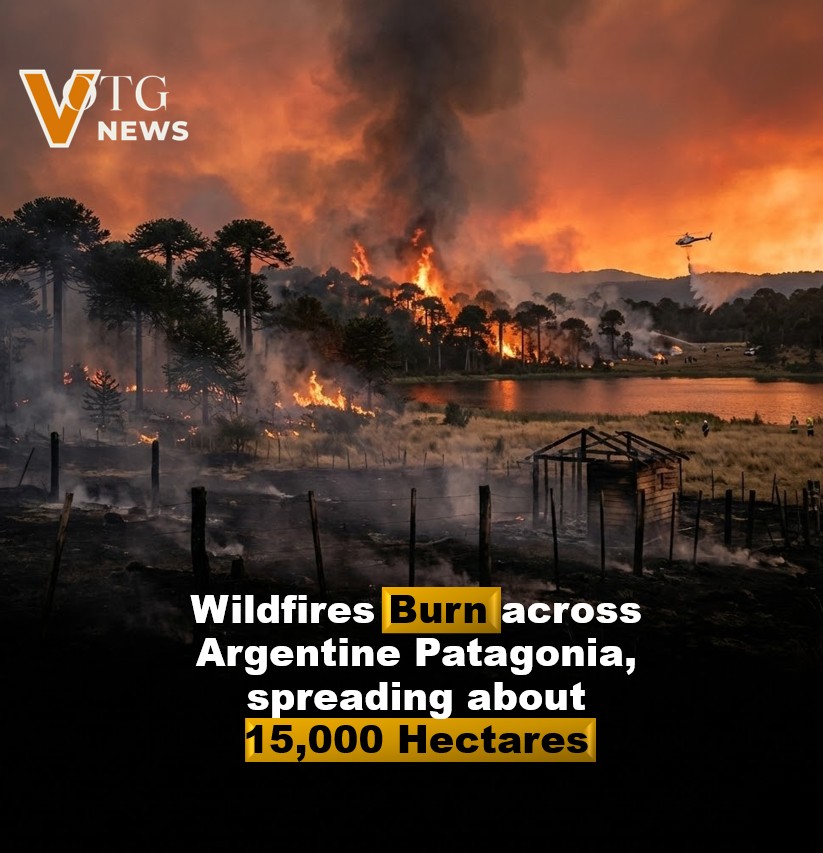
The most intense wildfires are concentrated in Chubut province, particularly near the Andean towns of Epuyén, El Hoyo, and the Puerto Patriada area. Since igniting earlier this month, the flames have spread rapidly due to dry vegetation, strong winds, and prolonged drought, scorching more than 15,000 hectares of land.
Firefighters, forest rangers, and volunteers are working around the clock, often in difficult terrain, to slow the advance of the fires and protect nearby communities. Aircraft, ground brigades, and emergency crews have been deployed, but containment remains challenging.
Communities and Tourists Forced to Evacuate
As the fires approached populated areas, thousands of residents and tourists were evacuated as a precaution. Puerto Patriada, a popular summer destination sometimes referred to as the “Patagonian Caribbean” for its lake and beaches, was among the areas most at risk.
Homes, rural properties, schools, and power infrastructure have been threatened, underscoring the vulnerability of small communities surrounded by forested land. Authorities have emphasized that evacuations are essential to ensure safety as fire behavior remains unpredictable.
Environmental Impact and Threat to Rare Forests
Beyond the immediate danger to people and property, the fires pose a serious threat to Patagonia’s unique ecosystems. Ancient native forests, including areas near Los Alerces National Park, are at risk. These forests contain long-lived tree species found nowhere else on Earth, making the environmental damage potentially irreversible.
While brief rainfall in some areas has provided limited relief, officials warn that overall conditions remain highly dangerous, with drought and heat expected to persist.
Investigations and International Assistance
The exact causes of the fires are still under investigation. Authorities have indicated that at least one blaze may have been intentionally set, and rewards have been offered for information leading to arrests. Officials have urged the public to avoid spreading rumors and misinformation while investigations continue.
Meanwhile, Chile has offered assistance, highlighting the cross-border concern over wildfire risk in the southern Andes and the growing need for regional cooperation as climate conditions worsen.
A Growing Warning Sign
These fires are not an isolated event. Patagonia has experienced increasingly destructive fire seasons in recent years, reflecting a broader pattern linked to climate change, prolonged drought, and human activity. Experts warn that without stronger prevention strategies, early detection systems, and forest management policies, wildfires could become a recurring crisis.
Looking Ahead
For now, firefighting efforts remain focused on containment and protecting lives. Residents and travelers in the region are advised to follow official updates and heed evacuation orders promptly.
The wildfires burning across Patagonia serve as a stark reminder that even the world’s most remote and pristine landscapes are no longer immune to climate-driven disasters — and that preparedness and cooperation are more critical than ever.
Disclaimer: This update is shared based on publicly available information. VOTG News is not responsible for any decisions made based on this news. The image is AI-generated only for illustration